
Sacramento Wrongful Death Lawyer
When a careless driver, company or property owner causes a death in Sacramento County, California law usually gives the family two separate claims. A Sacramento wrongful death lawyer looks at both before anyone signs a release or gives a recorded statement. The first claim comes from Code of Civil Procedure section 377.60, which lists the relatives who may sue for their own losses. The second is the survival action under section 377.30, which carries the claim the person who died could have brought.
These two claims belong to different people and recover different losses. They also run on different deadlines and need different paperwork. This page sets them side by side, explains who brings each one, and shows how they move through the Sacramento courts and county offices together.
Christopher L. Kreeger has held a California law license since 1990 and is admitted to practice in the Eastern District of California and the Ninth Circuit. Kreeger Law Firm handles injury and death claims from its main office at 3300 Douglas Boulevard, Suite 145, in Roseville. Chris holds membership in two trial lawyer groups, the Multi-Million Dollar Advocates Forum and the related Million Dollar Advocates Forum. He was president of the Capitol City Trial Lawyers Association in 2003.
Families can reach Kreeger Law Firm for a free consultation at (916) 782-8400 after a crash or other preventable death in Sacramento County. The firm charges no attorney fee unless it recovers money for your family, and you owe nothing for case costs if the case ends without a recovery.
Learn About Options to Pursue a Wrongful Death Claim
How a Sacramento Wrongful Death Lawyer Separates the Family Claim From the Estate Claim
At Kreeger Law Firm, a death case starts with a sorting question. Which losses belong to the relatives, and which belonged to the person who died? California answers with two statutes. Section 377.60 creates the wrongful death claim for the family, while section 377.30 keeps the decedent’s own claim alive and passes it to the estate.

Take a hypothetical. A driver turning onto Stockton Boulevard strikes a 62-year-old woman in a crosswalk, and she dies three days later at UC Davis Medical Center. Her hospital bills from those three days belong to the estate’s claim. Her husband’s loss of her income, her help at home and her companionship belong to the wrongful death claim. Many Sacramento pedestrian accident claims split this way when the person lives for a time after the crash.
The Wrongful Death Claim Pays the Heirs for Their Own Losses
A wrongful death claim measures what the survivors lost. It covers the support the decedent would have provided, the value of household help, funeral costs and the loss of love and companionship. The money goes to the heirs, and section 377.61 directs the court to decide each heir’s rights in an award. A will does not decide who receives it.
The Survival Action Carries the Claim the Decedent Could Have Filed
Under section 377.30, the injury claim the decedent held at death passes to the decedent’s successor in interest. The personal representative of the estate files it. When no representative has been appointed, the successor in interest can file it instead. Any recovery becomes an estate asset that passes under the will, a trust or California’s intestate succession rules once the estate’s debts are handled.
Why California Bars the Same Loss From Being Paid Twice
Section 377.61 allows wrongful death damages that are fair under all the circumstances, but those damages cannot include anything recoverable under section 377.34. That line keeps the two claims from overlapping. Medical bills incurred before death go to the estate. Lost support after death goes to the heirs. Each item of loss gets assigned to one claim or the other before any demand goes out.
Which Relatives a Sacramento Wrongful Death Attorney Can Name as Plaintiffs
Meet Christopher Kreeger
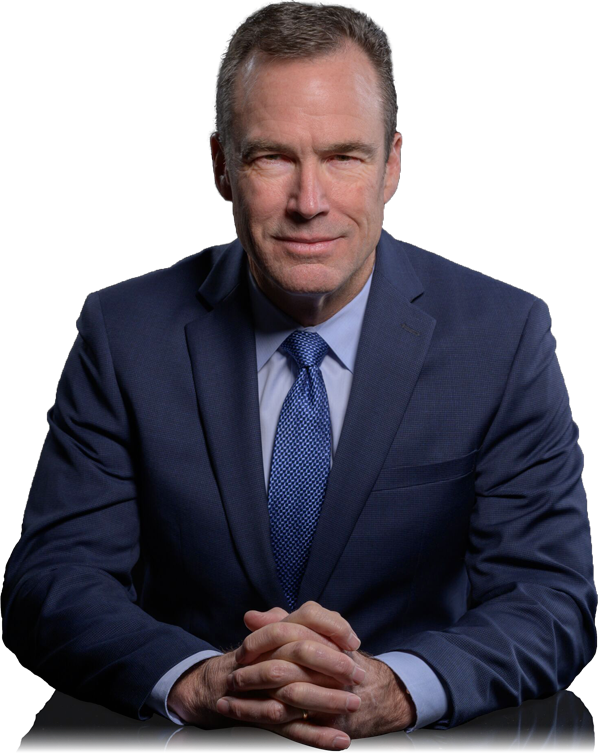
Christopher L. Kreeger is a California native and an experienced personal injury attorney, dedicated to exclusively representing individuals seriously injured due to the carelessness and neglect of others.
Standing is the legal word for the right to sue, and section 377.60 grants it in a fixed order. A personal representative can also file the wrongful death claim on the heirs’ behalf, but the money still belongs to the heirs. Closeness alone does not create a claim. A friend of 30 years, a fiancé or a former spouse usually has no wrongful death claim unless the statute names that relationship.
A fatal crash on Interstate 80 or Watt Avenue can bring calls from several relatives at once, and an adjuster may already be talking with the wrong one. Sorting out standing comes first, because every heir with a claim has to be part of the same lawsuit.
Spouses, Domestic Partners and Descendants Under Subdivision (a)
Subdivision (a) of section 377.60 starts with the surviving spouse, the registered domestic partner and the decedent’s children. It also reaches the children of a child who died before the decedent. A surviving spouse and two adult children can all be plaintiffs, even if the children lived out of state and received no support. Adult children do not have to prove financial dependence to qualify under this subdivision.
When the Decedent Left No Children or Grandchildren
If no children or descendants of a child survive, the statute turns to the people who would inherit the decedent’s property by intestate succession. That group can include the surviving spouse or partner along with parents, and sometimes brothers and sisters. Intestate succession is the default inheritance order California uses when someone dies without a will. Here, it decides only who may sue, not how the property is divided.
Legal Guardians When the Parents Have Died
Suppose the statute gives the decedent’s parents standing, but they are no longer living. Section 377.60 then lets the decedent’s legal guardians sue as if they were the parents. This matters most when a grandparent, aunt or uncle raised the person who died. Proof of the guardianship, such as the court order that created it, belongs in the case file early.
Relatives Who Qualify Only by Proving Financial Dependence
Subdivision (b) opens the door to a second group, but only if those relatives depended on the decedent. It names a putative spouse, the putative spouse’s children, stepchildren, parents and, when the parents have died, legal guardians. A putative spouse is someone who believed in good faith that a marriage was valid when it was not. Each person in this group has to show real financial reliance through bank records, rent receipts or proof of regular payments.
Parents of an Adult Child Who Had Children
Parents often ask whether they can sue after an adult son or daughter dies. If the decedent left children of his or her own, the parents usually qualify only under subdivision (b), which means proving dependence. A retired couple whose daughter paid their rent and medical premiums may meet that test. Parents who supported themselves generally do not, however close the family was.
A Minor Who Lived in the Decedent’s Home for 180 Days
Subdivision (c) covers a minor who may not be the decedent’s legal child, such as a partner’s son or daughter. The minor qualifies by living in the decedent’s household for the 180 days before the death. He or she must also have relied on the decedent for at least half of his or her support. School enrollment records, a lease and household bills can prove the residence part of that test.
Every Heir Belongs in a Single Wrongful Death Lawsuit
The California Supreme Court described the wrongful death action as joint, single and indivisible in Cross v. Pacific Gas & Electric Co., decided in 1964. All heirs should join or be joined, and only one wrongful death action may be brought. An heir who will not sign on as a plaintiff is typically named as a nominal defendant and served with the complaint. The 1997 appellate decision in Ruttenberg v. Ruttenberg treats a known heir as a necessary party. Leaving an estranged child or sibling off the case can expose the other heirs to a claim from that person later.
Wrongful Death Damages a Sacramento Attorney Can Claim for the Heirs
When an adult dies, California juries receive a standard damages instruction, CACI 3921, and it shows what the heirs’ claim can include. Economic losses come first, and the verdict form lists them separately. Noneconomic losses follow, and no formula sets their value. What any category is worth in a given case depends on records, testimony and facts that need a close review.
Consider a 45-year-old warehouse supervisor from Natomas killed by a tractor-trailer on Interstate 5. His wife and two children would present his paychecks, his employer benefits and the work he did around the house. They would also describe what his absence means at home. In fatal truck crash claims, the motor carrier usually becomes a defendant alongside the driver, and its commercial policy typically carries higher limits than a personal auto policy.
Lost Financial Support and Household Services
Financial support covers the money the decedent would have contributed to the family, along with gifts and benefits the heirs could have expected. Household services cover the work the person did at home. Childcare, cooking, yard work and driving a parent to dialysis all have a replacement cost. An economist often converts these losses into a present figure, because California requires future economic damages to be reduced to present cash value.
Support Measured Over the Shorter Life Expectancy
CACI 3921 limits the support claim to the shorter of two life expectancies, the decedent’s or the heir’s. If a 40-year-old dies and his dependent 78-year-old mother sues, her support claim runs over her own expected lifetime. Life expectancy tables are evidence, but jurors also weigh health, habits and occupation. The figure moves with those facts, so nobody can price this element from a table alone.
Funeral, Burial and Cremation Bills
Funeral and burial expenses appear in CACI 3921 as economic damages. Keep the contract from the Sacramento mortuary, the cemetery or cremation invoice, and receipts for the headstone and the service. The Sacramento County Coroner’s Office does not refer families to a mortuary, so the family chooses one and signs that contract.
Love, Companionship and Guidance From the Person Who Died
Noneconomic damages compensate the heirs for the loss of the decedent’s love, companionship and moral support. A surviving spouse can also claim the loss of the enjoyment of sexual relations, and children can claim the loss of a parent’s training and guidance. Evidence here comes from people who knew the family. Coworkers, neighbors and clergy often describe the relationship more clearly than grieving relatives can.
Losses California Excludes From the Heirs’ Claim
CACI 3921 tells jurors to leave three things out. Jurors may not award money for the heirs’ grief, sorrow or mental anguish. The decedent’s own pain and suffering is also off limits in this claim. Neither side may point to whether the heirs are wealthy or poor. Grief itself is excluded, even though the loss of companionship is not, and that line surprises many families.
Punitive Damages After a Felony Homicide Conviction
California generally keeps punitive damages out of a wrongful death claim. Civil Code section 3294(d) makes an exception when the death resulted from a homicide and the defendant was convicted of a felony for it. A driver convicted of gross vehicular manslaughter while intoxicated can fall within that exception. The outcome of the criminal case therefore matters to the civil one, and families should follow its docket.
When the Person Who Died Had No Auto Insurance
Proposition 213 bars uninsured drivers from recovering pain and suffering for their own injuries. In Horwich v. Superior Court, a 1999 decision, the California Supreme Court held that the bar does not reach heirs suing for wrongful death. A family can therefore seek damages for loss of companionship even if the decedent was driving without insurance. The court left open whether an heir who was personally an uninsured owner or driver in the crash faces the bar.
(916) 782-8400
Call for a free consultation
Survival Action Damages a Sacramento Attorney Can Pursue After SB 447 Expired
Sacramento County Records a Wrongful Death Attorney Collects for Both Claims
Most death claims in this county lean on two government records. The Sacramento County Coroner’s Office documents how and why the person died. A certified death certificate proves the death to the court, insurers and banks. Both records serve the wrongful death claim and the survival action, so the same documents do double duty.

The coroner’s findings matter most when fault is disputed. A blood alcohol result, a medical cause of death or a time of death can support or weaken a defense theory. The Sacramento County Coroner’s reports and fees page lists what each report costs and how to order it.
The Sacramento County Coroner’s Office on Broadway
The office sits at 4800 Broadway, Suite 100, at 49th Street just past Stockton Boulevard. California law sends a death to the coroner when a physician cannot determine the cause, and the office also investigates homicides, suicides and accidental deaths. Most fatal crashes fall into that last group. By late August 2025, the coroner had counted 103 traffic deaths in the county for the year.
When the Cause of Death Takes Months
The coroner often gives relatives a cause of death within 24 to 48 hours after the death is reported. Cases that need toxicology or other testing can take several months. Until testing finishes, the death certificate may list the cause as pending. A certificate ordered early may need to be replaced by a later copy that shows the final cause.
Coroner and Autopsy Report Copies
Next of kin receive one copy of the Coroner’s Report free. Additional copies and the separate Autopsy Report cost $27 each for cases dated 2016 or later. Requests go to the office by phone on weekday afternoons or by mail with a check or money order. The office keeps tissue and blood specimens for one year and releases them to an outside laboratory only with written authorization from the next of kin.
Certified Death Certificates From Sacramento County Offices
The coroner does not issue death certificates. Families can order certified copies through the funeral home, through Sacramento County Public Health’s Vital Records office or through the Sacramento County Clerk-Recorder. Public Health handles online orders for county deaths within the past two years. The Clerk-Recorder holds records back to 1850, makes a new certificate available about four weeks after the death and charges $26 per certified copy.
Who Can Order an Authorized Copy
Health and Safety Code section 103526 limits authorized copies to a defined list. It covers a spouse or domestic partner, a child and a parent. Grandparents, grandchildren and siblings qualify too, as does an attorney for the estate. Everyone else receives an informational copy stamped as not valid to establish identity. The county notes that an authorized copy may be needed for insurance proceeds and death benefits, and mail orders for one require a notarized sworn statement.
The Certified Copy Behind a Survival Claim
A family does not always need probate to bring the estate’s claim. When no estate proceeding is pending, a successor in interest can file the survival action with a sworn declaration under section 377.32. A certified copy of the death certificate must be attached to that declaration. Without it, the estate’s side of the case cannot start this way.
What the Successor-in-Interest Declaration States
The declaration gives the decedent’s name and the date and place of death. It confirms that no proceeding to administer the estate is pending in California. The signer must also show that he or she is the successor in interest, or authorized to act for that person, with supporting facts. A final statement says no one else has a superior right to bring the action, all under penalty of perjury.
When a Probate Case Opens at the Ridgeway Courthouse
Probate cases in Sacramento County are heard at the William R. Ridgeway Family Relations Courthouse, 3341 Power Inn Road, which houses the court’s family law and probate departments. If a probate case opens, the court appoints a personal representative, and section 377.30 gives that person the first right to pursue the survival claim. The wrongful death claim needs no probate at all. Whether to open probate for the lawsuit alone depends on the estate’s other assets and debts.
Winning serious victories for our clients
- $6,000,000 Motorcycle Accident
- $5,000,000 Construction Site Accident
- $3,200,000 Rear End Collision
- $2,500,000 Apartment Fire Accident
- $2,500,000 Apartment Fire with Severe Burns
- $1,000,000 Rear End Freeway Collision
- $1,000,000 Rideshare Head-On Collision
- $1,000,000 Rideshare Accident with Back Injury
- $400,000 Pedestrian Hit in Crosswalk
- $300,000 Side Impact Collision
- $300,000 Big Rig Rear-Ended Passenger Vehicle
- $240,000 Motorcycle vs. Automobile
Past results do not guarantee or predict a similar outcome in any future case. Every case depends on its own facts and the law that applies to it.
How a Sacramento Wrongful Death Lawyer Moves Both Claims Through One Case
Section 377.62 lets the survival action be joined with the wrongful death claim when both arise from the same wrongful act. That usually means one complaint with two sets of plaintiffs. The heirs sue for their own losses, and the personal representative or successor in interest sues for the estate. One judge, one discovery schedule and one trial date then govern both claims.
Those complaints go to the Sacramento County Superior Court, whose civil departments now sit in the Railyards, inside the Tani G. Cantil-Sakauye Courthouse on G Street. Civil services moved there from the Gordon D. Schaber Courthouse in April 2026. Civil papers in this court have been filed electronically since January 2024.
Two Filing Deadlines That Start on Different Days
Two years is the deadline to sue for an injury or a death, as set by Code of Civil Procedure section 335.1. For the heirs, that clock starts on the date of death. The estate follows section 366.1, which allows the later of six months after death or the limitations period that would have applied had the person lived. When someone dies the same day as the crash, the two dates line up.
A Death Weeks After the Crash
Suppose a crash happens on March 1, 2025, and the injured person dies on June 1, 2025. The estate’s two-year period runs from the injury, so its deadline falls on March 1, 2027. The heirs’ wrongful death deadline falls on June 1, 2027, three months later. Filing both claims together before the earlier date avoids any argument that the estate’s claim came too late.
Claims Against a Public Agency
A shorter clock applies first when a city bus, a county vehicle or a dangerous public road played a part. Government Code section 911.2 requires a written claim to reach the agency within six months after the claim accrues. The heirs’ claim accrues at the death, while the estate’s claim accrues at the injury, so the two six-month windows can end on different days. Watch for the agency’s written rejection, because it starts a separate deadline to sue.
Does the Criminal Case Have to Finish First?
No. A civil death case can move forward while the Sacramento County District Attorney prosecutes the driver. The civil case uses the preponderance of the evidence standard in Evidence Code section 115, a lower bar than proof beyond a reasonable doubt. A conviction can still matter, because it opens the punitive damages exception for the heirs. Civil discovery can also reach evidence the prosecution never needed, such as phone records or a company’s driver files.
What Happens if the Person Who Died Shared the Blame?
CACI 407, the jury instruction on a decedent’s comparative fault, applies to the wrongful death claim, and ordinary comparative fault rules reduce the estate’s claim the same way. If the decedent was partly responsible, the jury assigns a percentage, and the damages drop by that share. A pedestrian crossing mid-block on Florin Road at night might be assigned part of the fault. The percentage depends on the evidence, so a toxicology result or a witness statement can move it in either direction.
Dividing a Recovery Between the Estate and the Heirs
A settlement in a combined case has to be allocated between the two claims. The estate’s share goes through the estate and is subject to its debts. The heirs’ share goes to the heirs. That allocation decides who receives money and which obligations come out of it first, so it belongs in the settlement agreement in writing. A written split also helps if a lienholder or an omitted heir later questions where the money went.
One Policy Limit Shared by Both Claims
Many auto policies treat every claim arising from one death as part of a single per-person limit. California’s minimum is $30,000 per person, and the page on Sacramento car accident coverage explains those coverage layers. A minimum policy often falls far short in a death case, so the review turns to umbrella policies, employer coverage and the decedent’s own underinsured motorist coverage. The policy wording decides how much each source can pay.
How a Court Splits the Heirs’ Share
Heirs can agree among themselves on how to divide their share. When they cannot, the court decides. Corder v. Corder, decided by the California Supreme Court in 2007, confirmed that a trial court can apportion a wrongful death settlement based on each heir’s own damages. A spouse who depended on the decedent’s income may receive more than an adult child who lived independently, but that result turns on the evidence each heir presents.
A Child’s Share Needs a Judge’s Approval
Any part of a settlement payable to a minor heir needs court approval before it is paid. The judge reviews the amount and the attorney fee, and the order usually directs how the money is held until the child turns 18. Common options include a blocked bank account, an annuity or a trust.
Speak With a Sacramento Wrongful Death Lawyer About Your Family’s Two Claims
A death claim asks a family to make legal decisions while it is still grieving. A few steps cannot wait, such as preserving the vehicles, requesting the coroner’s report and identifying every heir. The rest can wait until you understand how the family’s claim and the estate’s claim fit together.
Kreeger Law Firm offers a free consultation to families who lost someone in the Sacramento region. Chris Kreeger will review the coroner and police records, the insurance policies and the family tree, then explain who can bring each claim. Its fee is a percentage of any recovery, typically one third, or 25% when the client is under 18. The firm pays case costs as they come up and deducts them from a recovery apart from its fee, and you owe nothing for costs if the case ends without a recovery. The firm’s answers to common fee and cost questions explain the details.
Spanish-speaking staff can help with calls and meetings. Nothing you share during the consultation obligates your family to hire the firm.
When you are ready for a Sacramento wrongful death lawyer to review both claims, reach Kreeger Law Firm through its contact page or call (916) 782-8400 today.
Other Injury Cases Chris Kreeger Handles in Sacramento
Kreeger Law Firm also represents people hurt in these Sacramento crashes and injury claims.


