How to Prove a Personal Injury Claim in California
An injury case in Sacramento can start on a Highway 99 on-ramp, on a wet grocery store floor in Natomas or on a neighbor’s front walk. Wherever it starts, you have to prove the same four things before anyone pays, and that is how to prove a personal injury claim in this state. California Civil Code section 1714 makes every person responsible for harm caused by a lack of ordinary care. Most claims in this state begin with that one sentence.
The four things are duty, breach, causation and damages. This page takes each one in turn and shows how it changes from a car crash to a dog bite, a fall, a defective product or a death in the family. You will see who decides each element, what evidence tends to settle it and which Sacramento records come into play. Each section points to the firm’s page on that case type when you need more detail.
Christopher L. Kreeger received his California law license in 1990 under State Bar number 148949. Federal courts admitted him too, both the Ninth Circuit Court of Appeals and the Eastern District trial court. Chris runs Kreeger Law Firm as a solo practice from 3300 Douglas Boulevard, Suite 145, in Roseville, and he takes injury cases throughout Sacramento County. His memberships include the Million Dollar Advocates Forum and the Multi-Million Dollar Advocates Forum.
If someone else’s carelessness hurt you or a family member, Kreeger Law Firm offers a free consultation by phone at (916) 782-8400. Chris charges no attorney fee unless he recovers money for you, and if nothing is recovered, you also owe nothing for the case costs the firm advanced.
1990
Licensed in California
10.0
Avvo Superb Rating
AV
Martindale-Hubbell Preeminent
3x
Super Lawyers, 2023 to 2025
The Four Elements That Prove a Personal Injury Claim in Sacramento
Car crashes bring in most of the cases Chris Kreeger handles as a Sacramento personal injury lawyer. Even so, a rear-end collision on Interstate 80 and a fall in a downtown parking garage rest on the same legal frame. California courts describe that frame as four elements. Someone owed you a duty of care, and that person or company breached it. That breach caused your injury, and the injury produced losses the law can measure.

The California Supreme Court restated those elements in Ladd v. County of San Mateo, a 1996 decision. It listed a legal duty to use due care, a breach of that duty, and a breach that legally caused the resulting injury. Sacramento judges and jurors apply the same list, but they split the work between them. Knowing who decides each element explains why some cases end on a motion while others go to a jury.
Four Elements Drawn From Civil Code Section 1714 and Case Law
Duty asks whether the law required the other person to act with care toward someone in your position. Breach asks whether that person fell short of what a reasonably careful person would have done. Causation asks whether the failure was a real cause of your injury rather than a coincidence. Damages asks what the injury cost you in money, health and daily life. Picture a delivery driver who reads a text while rolling through a stop sign on J Street in Midtown. Every driver owes care to others on the road, and the text shows the breach. The impact supplies causation, while your medical records and missed paychecks show the damages.
How CACI 400 Turns the Elements Into Three Jury Questions
The main negligence instruction read to Sacramento County jurors does not use the word duty. CACI 400, the Judicial Council of California’s standard instruction, asks three things instead. Was the defendant negligent, was the plaintiff harmed, and was the negligence a substantial factor in causing that harm? The four elements are all still there. Duty has simply been settled before the jurors are asked anything.
The Judge Decides Whether a Duty Existed
California treats duty as a question of law for the court. Cabral v. Ralphs Grocery Co., a 2011 Supreme Court case, involved a tractor-trailer stopped on the shoulder of Interstate 10. The court said judges weigh duty for a whole category of conduct, not for the exact facts of one crash. A defendant that claims it owed no duty usually raises the point by motion before trial. If the judge agrees, the case ends there.
Jurors Decide Breach, Causation and Harm
Once a duty exists, the remaining questions belong to the jury. Cabral leaves to jurors the fact-specific question of whether the defendant acted reasonably under the circumstances. Under article I, section 16 of the California Constitution, three-fourths of a civil jury can return a verdict, so nine of 12 jurors must agree. A defendant that loses a no-duty motion has to persuade those Sacramento County residents on the evidence.
The New Sacramento Superior Courthouse at 500 G Street
Injury lawsuits filed in Sacramento County go to its Superior Court. Civil cases there have run out of the Tani G. Cantil-Sakauye Sacramento Superior Courthouse, a Railyards building at 500 G Street, since April 2026. The building rises 18 stories and holds 53 courtrooms, according to the court’s announcement of the new courthouse. Many websites still list the old civil addresses, so check the location printed on any notice you receive.
The April 2026 Move Into the Railyards Courthouse
For years, Sacramento civil matters were split between two older downtown buildings. The court’s March 5, 2026, release said the new courthouse would take over every operation housed in both. The Railyards building opened for civil business on April 13, 2026. Civil cases have also used electronic filing since January 2024. A summons or hearing notice printed before the move may still name an old courtroom, so confirm the department before you travel downtown.
Civil Home Court Departments Assigned at Filing
A second change came a few months earlier. Starting November 10, 2025, the court began assigning each new civil case at filing to one of four Civil Home Court departments. That single department hears both the case management conferences and the law and motion hearings for its cases. A defense motion arguing that no duty existed would go to that same department. The Notice of Case Assignment issued when the case opens names it.
Proving Who Owed You a Duty of Care in a Sacramento Injury Case
(916) 782-8400
Call for a free consultation
Evidence That Proves a Breach of Care in Sacramento
In 2023, crashes on City of Sacramento streets killed or injured 297 pedestrians and 237 bicyclists, by the count of the California Office of Traffic Safety. Among the 15 California cities with more than 250,000 residents, Sacramento ranked fourth worst for pedestrian victims and third worst for bicyclists.

Each of those crashes raises a question about someone’s conduct. Breach means the defendant failed to act as a reasonably careful person would have in the same situation. The proof comes from records, photos, video and witness accounts. In many cases, it also comes from a safety statute the defendant broke.
Evidence Code Section 669 and Broken Safety Statutes
Under California Evidence Code section 669, jurors can presume carelessness once four conditions line up. The defendant violated a statute, ordinance or regulation, and the violation caused the injury. The injury was the kind the law aimed to prevent, and the injured person belonged to the group the law protects. Lawyers call this negligence per se. A defendant can rebut it by showing it acted as a reasonably careful person trying to obey the law would have acted.
Pedestrians in Marked and Unmarked Crosswalks
Vehicle Code section 21950 requires drivers to yield to pedestrians in marked crosswalks and in unmarked crosswalks at intersections. The same section tells pedestrians not to step suddenly into the path of a car too close to stop. Since 2023, Vehicle Code section 21955 has barred officers from stopping people for crossing mid-block unless a collision is an immediate danger. That change limits tickets, but it leaves a pedestrian’s own duty of care in place. Both duties come up in Sacramento pedestrian accident claims, and a jury weighs them together.
Lane Splitting Riders Between Rows of Traffic
Vehicle Code section 21658.1 describes lane splitting as a two-wheeled motorcycle traveling between lines of vehicles, moving or stopped, that share a lane. The statute defines the practice without banning it and lets the California Highway Patrol publish safety guidelines. Splitting lanes is not a breach by itself. The question in motorcycle crash claims is whether the rider and the driver each acted reasonably, including the rider’s speed compared with traffic on Highway 50. City crashes killed or injured 154 motorcyclists in 2023, the Office of Traffic Safety reported.
Passing Cyclists With Three Feet of Clearance
The Three Feet for Safety Act in Vehicle Code section 21760 bars drivers from passing a bicycle with less than three feet of space. When another lane in the same direction is open, the driver must move into it to pass if that is safe and practicable. A driver who clips a cyclist on Folsom Boulevard while an open lane sat to the left will struggle to show reasonable care. Across Sacramento County, the state counted 529 bicyclists killed or injured in 2023.
Notice and Inspection Records in Slip and Fall Claims
A store, apartment complex or office owner breaches its duty only if it knew or should have known about a hazard in time to fix it. Ortega v. Kmart Corp., a 2001 California Supreme Court case, involved a shopper who slipped on spilled milk with no proof of how long it had been on the floor. The court held that a jury may infer notice when the owner failed to inspect the area within a reasonable time. Sweep logs, cleaning schedules and store video therefore become the main proof in a slip and fall case. Ask for them in writing early, because many systems overwrite video quickly.
Hours of Service Data From Commercial Truck Crashes
Federal rule 49 CFR 395.3 caps a property-carrying truck driver at 11 driving hours inside a 14-hour window, and that window opens only after 10 straight hours off duty. Most interstate trucks record those hours with an electronic logging device. A log showing that a driver was near the end of a long shift when the truck drifted across a lane on Interstate 5 is breach evidence a jury can read for itself. Fuel receipts, dispatch messages and scale tickets can test whether the log is accurate.
Connecting a Sacramento Accident to Your Injuries
Many people assume that proving the other side was careless ends the case. It does not. Causation is a separate element, and an insurer can admit fault while still disputing whether the crash or fall caused the injuries you are claiming.

That dispute tends to follow the medical records. A defense doctor may point to arthritis on an MRI, a gap between the incident and the first appointment or an injury from years before. Each argument targets the same question. Did this incident make a real difference to your health, and how much of a difference?
What Substantial Factor Means Under CACI 430
CACI 430 defines a substantial factor as one a reasonable person would consider to have contributed to the harm. It must be more than remote or trivial, and it does not have to be the only cause. The California Supreme Court adopted that test in Rutherford v. Owens-Illinois, a 1997 asbestos case. A chain collision on Highway 99 shows how it works in practice. Two drivers can each be a substantial factor in one passenger’s injuries, and each can be held responsible for them.
Brain Injury Claims and Earlier Health Problems
Head injuries invite causation disputes because their symptoms overlap with ordinary life. Memory trouble, headaches, poor sleep and mood changes can also come from stress, aging or an earlier concussion, and the defense will look for all three. The answer usually comes from comparing the person’s records and daily routine before and after the incident. Treating doctors, family members and coworkers fill in that picture in traumatic brain injury claims.
The Unusually Susceptible Plaintiff Instruction
CACI 3928 tells jurors to award the full amount of harm the defendant caused, even if the plaintiff was more vulnerable than a healthy person. A driver who rear-ends someone with an old concussion cannot shrink the award because a healthier person would have recovered faster. The defense can still argue that some symptoms came from the earlier condition and would exist anyway. Jurors then separate the new harm from the old with help from the medical history.
Gaps in Treatment and the Defense Timeline
A missed month of physical therapy or a two-week wait before the first doctor visit gives the defense a timeline argument. The adjuster will suggest that the injury was minor or that something else happened during the gap. Gaps often have ordinary explanations, such as a new job, child care, a long wait for an appointment or a referral that took weeks. Writing those reasons down while they are fresh helps answer the argument later.
Helmet and Seat Belt Arguments About Injury Severity
Vehicle Code section 27803 requires every motorcycle rider and passenger in California to wear a fastened, properly fitted safety helmet. A rider who skipped the helmet did not cause the crash by doing so. The defense may argue instead that a helmet would have prevented or reduced a head injury. That argument targets causation and damages rather than fault for the collision itself. The same move appears when a car occupant was not buckled in, and each side may need medical or engineering testimony to answer it.
Shared Fault Under Li v. Yellow Cab Co.
California has followed pure comparative fault since 1975. Li v. Yellow Cab Co. ended the old rule that barred any plaintiff who was even slightly careless from recovering anything. Today, a jury assigns percentages, and your recovery drops by your share without disappearing. That holds at 10%, at 50% and at 90%. Some other states cut off recovery once a plaintiff’s share passes a set line, but California does not.
What a 90% Fault Finding Left in Cabral v. Ralphs Grocery
Cabral shows the rule at its outer edge. The jury found the man who drove into the parked trailer 90% at fault and the grocery company 10% at fault. His widow still received a judgment, reduced to reflect his share. A Sacramento driver who was speeding when another car ran the light at Arden Way and Fulton Avenue faces the same arithmetic, with the percentages set by the evidence.
Comparative Fault in Strict Liability Cases After Daly v. General Motors
Strict liability removes the need to prove the defendant was careless, but it does not shield the plaintiff’s own conduct from review. In Daly v. General Motors Corp. (1978), where a driver was thrown from his car, the Supreme Court applied comparative fault to a defective product claim. A jury can reduce an award for a product defect by the injured person’s share of the blame. The defect claim survives, and only the amount changes.
Winning serious victories for our clients
- $6,000,000 Motorcycle Accident
- $5,000,000 Construction Site Accident
- $3,200,000 Rear End Collision
- $2,500,000 Apartment Fire Accident
- $2,500,000 Apartment Fire with Severe Burns
- $1,000,000 Rear End Freeway Collision
- $1,000,000 Rideshare Head-On Collision
- $1,000,000 Rideshare Accident with Back Injury
- $400,000 Pedestrian Hit in Crosswalk
- $300,000 Side Impact Collision
- $300,000 Big Rig Rear-Ended Passenger Vehicle
- $240,000 Motorcycle vs. Automobile
Past results do not guarantee or predict a similar outcome in any future case. Every case depends on its own facts and the law that applies to it.
Damages a Sacramento Injury Claim Can Recover Under California Law
Insurance That Pays a Proven Sacramento Injury Claim
Proving all four elements establishes what you are owed. Collecting it is a separate step, and it usually runs through insurance. The source of payment changes with the case type, and so does the amount available.

Most Sacramento claims start with the at-fault person’s liability policy and then look at your own coverage. California’s minimum auto policy has required $30,000 per person, $60,000 per crash and $15,000 for property since January 1, 2025. That floor sits far below the cost of a serious injury, which is why the other sources below matter.
Auto Policies and Rideshare Coverage Tiers
Public Utilities Code section 5433 sets layered coverage for Uber and Lyft. While a driver is logged in and waiting, injury coverage starts at $50,000 for each person hurt and $100,000 for each incident, plus $30,000 for property and $200,000 in excess coverage. Once the driver accepts a trip, the coverage rises to $1,000,000 until the ride ends. A passenger riding in the car is also protected by uninsured and underinsured motorist limits of $60,000 for one person and $300,000 for one incident. The app’s record of what the driver was doing decides which tier applies in Uber and Lyft accident claims.
Commercial Truck Policies Under Federal Minimums
Under 49 CFR 387.9, for-hire interstate carriers hauling general freight in trucks of 10,001 pounds or more must carry at least $750,000 in liability coverage. Hazardous materials loads carry higher minimums under the same rule. A carrier may also buy excess or umbrella policies above its primary limit. The declarations page of each policy shows every layer, so ask for them in writing early in the claim.
Homeowner, Renter and Business Liability Policies
Falls, dog bites and other injuries on private property often run through a homeowner’s, renter’s or commercial general liability policy. These policies have their own limits, exclusions and notice rules. A store or apartment complex may also have a contract that shifts responsibility to a cleaning, security or maintenance vendor. Defective product claims run against the manufacturer’s and seller’s coverage, which carries its own limits and its own adjusters.
Deadline and Fee Questions About a Sacramento Injury Claim
Meet Christopher Kreeger
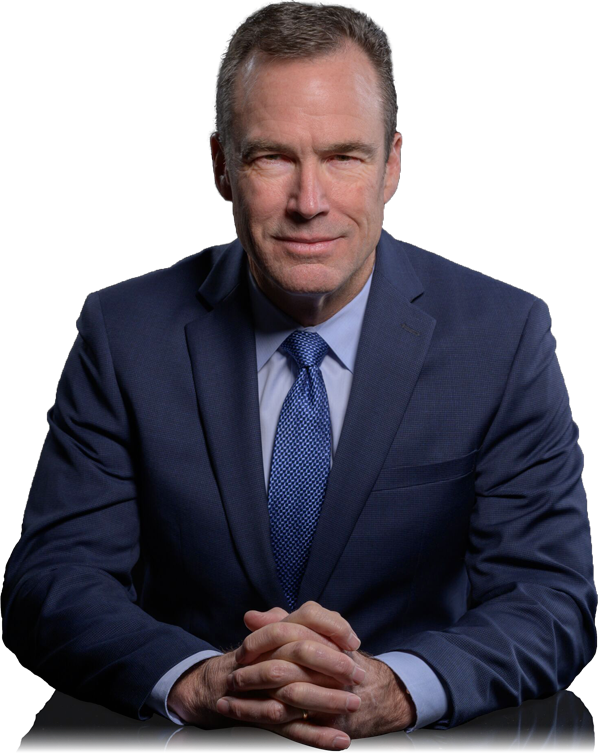
Christopher L. Kreeger is a California native and an experienced personal injury attorney, dedicated to exclusively representing individuals seriously injured due to the carelessness and neglect of others.
Two practical questions come up before anyone discusses the elements. How much time is left, and what will a lawyer cost? A third comes up whenever the injury happened on the job, because workers’ compensation rules change who can be sued.
The short answers below are general. Your dates, your employer’s coverage and the facts of the incident change how each one applies to you. Treat them as a starting point for a consultation rather than a final answer, and bring any letters or claim forms you have already received.
Which Deadline Applies to My Sacramento Injury Claim?
Most injury lawsuits in California face a two-year filing deadline set by Code of Civil Procedure section 335.1. Before suing a city, county or other public agency, you usually have to present a written claim to it within six months. Minors generally get extra time on their own claims, so ask about every deadline in your first call.
Can I Sue Someone Other Than My Employer After a Work Injury?
Labor Code section 3602 makes workers’ compensation the usual remedy against your own employer. Labor Code section 3852 preserves your right to sue anyone else who caused the injury, such as a negligent driver, a property owner or a product maker. That third-party claim follows the same four elements, and your employer’s insurer may seek repayment from it.
What Does Kreeger Law Firm Charge for an Injury Case?
The fee is a percentage of what the firm recovers, usually one third, or 25% for a client under 18. The firm advances the costs of investigating and pursuing the case and itemizes them when the recovery is paid out. Those costs are handled apart from the fee, and a case that recovers nothing leaves you owing no fee and no costs.
Ask Chris Kreeger How to Prove a Personal Injury Claim in Sacramento
Every claim on this page comes down to one checklist. Someone owed you care, failed to provide it and caused harm the law can measure. If you are not sure which of those pieces your case has, a short conversation can tell you where it stands.
Kreeger Law Firm offers a free consultation to people hurt anywhere in Sacramento County. Chris Kreeger, the 2003 president of the Capitol City Trial Lawyers Association, will review the records you have and explain which elements look strong and which need more proof. No lawyer can promise an outcome, and Chris will tell you plainly what he sees.
Hiring Chris as your Sacramento personal injury lawyer takes no money up front. He charges no attorney fee unless he recovers money for you. If the case closes without any recovery, you owe nothing for the costs he advanced. Spanish-speaking staff can help you set up the call.
Tell Chris what happened by using the firm’s contact page or by calling (916) 782-8400 today.
Injury Cases Chris Kreeger Handles in Sacramento
Each of these pages explains one Sacramento case type in more detail.