
Two Sacramento PD Vehicles Involved in Collision in Natomas
Two Sacramento Police Department vehicles were involved in a Natomas collision at the intersection of Truxel Road and San Juan Road, according to local news. The crash occurred shortly before 8:30 p.m. and involved multiple vehicles, with at least five cars towed from the scene, including two police units. Authorities reported minor injuries, while the intersection remained closed for several hours as crews cleared the area and conducted an investigation. Officials have not yet confirmed what led to the crash, and the investigation remains ongoing.
Sacramento County is busy, and collisions, even ones involving police, can happen at any time. After an incident like a Natomas collision, those involved may face unexpected challenges related to injuries, vehicle damage, and navigating insurance claims. At Kreeger Law, we understand how overwhelming these situations can feel, especially when multiple parties are involved and questions remain unanswered. We work closely with our clients to evaluate their cases and guide them through each step of the legal process with clarity and support. Call us today at (916) 782-8400 to discuss your situation and learn how we can help you move forward with confidence.
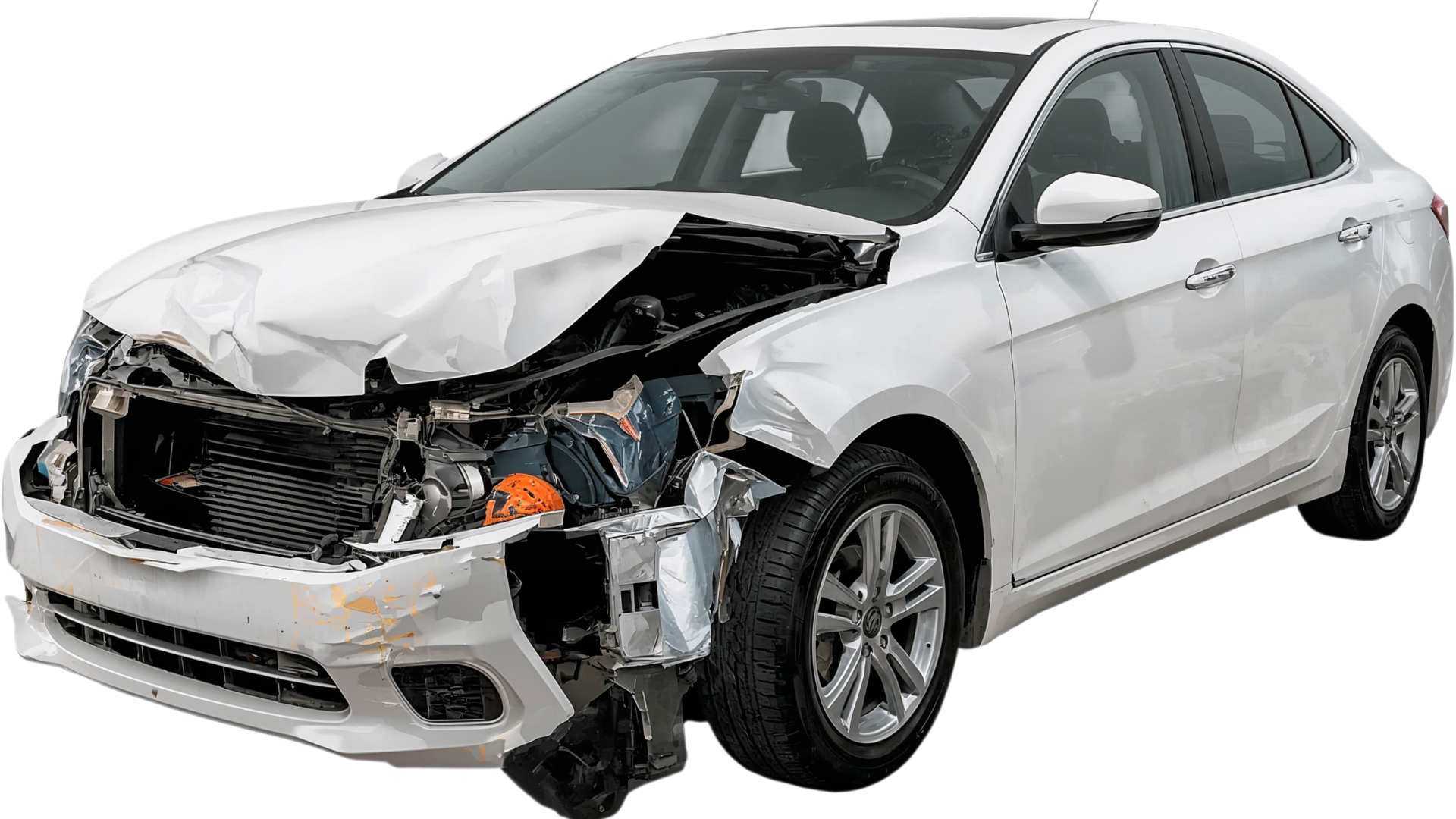
Why Legal Support Matters After a Natomas Collision
At Kreeger Law, we understand that a Natomas collision can create immediate and long-term challenges for those involved, especially when multiple vehicles and potential liabilities are part of the situation. We work closely with our clients to investigate every detail while identifying all possible sources of responsibility that may have contributed to the crash. Our team focuses on gathering evidence, reviewing reports, and building strong claims designed to support accountability and recovery. By working with us, you gain a legal team committed to protecting your rights and helping you move forward with confidence.
We also recognize that financial stress can quickly follow a serious accident, particularly when medical expenses, lost income, and vehicle repairs begin to add up. Therefore, we handle communication with insurance companies and other involved parties while guiding our clients through each stage of the legal process with clarity and consistency. We take the time to explain available options so our clients can make informed decisions that support both immediate needs and long-term stability. By focusing on securing compensation for all damages, we help reduce stress while building strong and effective claims that reflect the full impact of the accident.

How Fault Is Determined in a Natomas Collision
Determining fault in a Natomas collision requires a detailed evaluation of the events leading up to the crash and the actions of all parties involved. This process involves reviewing evidence, applying traffic laws, and analyzing whether negligence played a role in the accident. Establishing fault is essential for pursuing compensation and ensuring that responsibility is properly assigned. A structured and thorough approach helps build a stronger claim and supports a more accurate outcome.
Understanding how fault is determined also helps individuals navigate the legal process with greater clarity. By examining each contributing factor, a clearer picture of liability can be established. This process ensures that all relevant details are considered and that no responsible party is overlooked. A comprehensive evaluation strengthens both negotiations and potential legal proceedings.
Establishing Duty of Care
All drivers have a legal responsibility to operate their vehicles safely and follow applicable traffic laws. This duty of care exists to protect others on the road and reduce the risk of accidents. Establishing this duty is the first step in determining fault in a Natomas collision. It provides the legal foundation for evaluating whether negligence occurred.
When a driver fails to meet this duty, they may be held responsible for resulting damages. Identifying how this duty was breached helps support liability claims. This step is critical in connecting actions to legal responsibility. It forms the basis of the case.
Traffic Laws and Driver Responsibilities
Traffic laws outline the responsibilities drivers must follow to ensure safety on the road. These rules include obeying speed limits, yielding when required, and maintaining control of the vehicle. Violations of these laws may indicate negligence. Identifying these violations helps establish fault.
Understanding driver responsibilities helps clarify how the accident occurred. Evidence of violations strengthens liability arguments. This information supports a stronger claim. It plays an important role in the process.
Breach of Duty and Negligence
A breach of duty occurs when a driver fails to act reasonably under the circumstances. This may include behaviors such as speeding, distraction, or unsafe lane changes. Evidence is used to demonstrate how this breach contributed to the collision. Establishing negligence is essential for proving fault.
Connecting a breach of duty to the accident helps create a clear legal argument. This step shows how actions led to the outcome. It strengthens the overall claim. It is a key part of the process.
Proving Causation and Damages
Proving causation involves demonstrating that the driver’s actions directly led to the accident and resulting injuries. It is not enough to show that negligence occurred. There must be a clear link between the conduct and the harm. This connection is essential for establishing liability.
Damages must also be clearly documented to support a claim for compensation. Medical records, repair costs, and other evidence help demonstrate the impact of the collision. This information strengthens the case. It supports recovery efforts.
Linking Actions to the Collision
Evidence must show that the at-fault party’s actions caused the collision. This may involve analyzing crash reports, witness statements, and physical evidence. Establishing this connection helps prove liability. It is a critical step in the process.
A clear link between actions and the crash strengthens the claim. This information supports legal arguments. It improves outcomes. It ensures accountability.
Documenting Losses and Impact
Documenting losses helps demonstrate the full impact of a Natomas collision on a victim’s life. This includes medical expenses, lost income, and property damage. Accurate records provide essential support for compensation claims. This step strengthens negotiations.
Comprehensive documentation ensures that no damages are overlooked. This approach helps create a complete claim. It supports fair compensation. It is an important part of recovery.
How Insurance Companies Handle a Natomas Collision Claim
Insurance companies play a significant role in managing claims after a Natomas collision, often focusing on evaluating liability and determining the value of damages. Their process involves reviewing evidence, analyzing statements, and applying policy terms to decide how a claim will be handled. Understanding how insurers approach these cases helps individuals prepare for each stage of the process. This awareness can improve the outcome of a claim.
Navigating insurance claims can be complex, especially when multiple vehicles or parties are involved. Without proper preparation, individuals may face delays or reduced settlement offers. Knowing how insurance companies operate helps protect your interests. This understanding supports stronger claims.
Initial Claim Evaluation
Insurance companies begin by reviewing all available information related to the collision. This includes police reports, medical documentation, and statements from those involved. Their evaluation helps determine liability and the extent of damages. This step sets the direction for the claim.
Initial evaluations may not fully reflect the true value of a claim. Insurance companies may rely on limited information early in the process. Understanding this helps individuals prepare for negotiations. It ensures better outcomes.
Reviewing Reports and Statements
Reports and statements provide the foundation for how insurance companies assess a claim. These documents help determine how the collision occurred and who may be responsible. Inaccurate or incomplete information can affect the outcome. Careful review is essential.
Ensuring that all information is accurate helps protect the claim. This step supports stronger negotiations. It improves clarity during the process. It is important for success.
Assessing Liability and Damages
Insurance companies evaluate liability by reviewing evidence and applying relevant laws. They also assess damages by analyzing medical costs, repair expenses, and other losses. This process determines the value of the claim. It influences settlement offers.
Understanding how liability and damages are assessed helps individuals prepare effectively. This knowledge supports stronger claims. It improves negotiation outcomes. It is essential.
Settlement Negotiations
After evaluating a claim, insurance companies may present settlement offers to resolve the case. These offers are often lower than the full value of the claim. Understanding how negotiations work helps individuals avoid accepting insufficient compensation. Careful evaluation is necessary.
Negotiations require a clear understanding of the total impact of the collision. This includes both current and future damages. Being prepared helps improve outcomes. It ensures fair compensation.
Low Initial Offers
Insurance companies may present low initial offers to resolve claims quickly. These offers may not fully account for medical expenses, lost income, or long-term impacts. Accepting an early offer can limit recovery. Careful review is essential.
Recognizing these tactics helps individuals protect their interests. It supports better decision-making. This step improves outcomes. It strengthens claims.
The Importance of Strong Documentation
Strong documentation plays a key role in successful settlement negotiations. Medical records, repair estimates, and other evidence support the value of a claim. Providing clear and organized documentation strengthens the case. This information improves negotiation results.
Well-documented claims are more difficult for insurance companies to dispute. This approach increases the likelihood of fair compensation. It supports a stronger position. It is essential for success.
Why Early Legal Action Matters After a Natomas Collision
Taking early legal action after a Natomas collision can significantly impact the strength and success of a claim. Acting promptly helps preserve evidence, protect legal rights, and ensure that all necessary steps are completed within required timeframes. Delays may result in lost evidence or missed opportunities to build a strong case. Understanding the importance of early action helps individuals make informed decisions.
Early legal action also provides clarity and direction during a challenging time. By addressing legal matters quickly, individuals can focus on recovery while ensuring that their case is handled effectively. This approach reduces stress and improves overall outcomes. It supports a more efficient process.
Preserving Evidence and Building a Strong Case
Preserving evidence is one of the most important reasons to take early legal action after a collision. Physical evidence, witness statements, and digital data may become unavailable over time if not collected promptly. Acting quickly helps ensure that critical information is preserved. This strengthens the case.
Building a strong case requires access to accurate and complete evidence. Early action allows for thorough investigation and documentation. This approach improves the overall quality of the claim. It supports better outcomes.
Securing Time-Sensitive Evidence
Some types of evidence are only available for a limited time after a collision. Surveillance footage, for example, may be deleted or overwritten if not obtained quickly. Witnesses may also forget details over time. Acting early helps secure this information.
Preserving time-sensitive evidence strengthens the claim by ensuring accuracy. This step supports a more complete case. It improves reliability. It is essential.
Organizing Documentation Early
Organizing documentation early helps create a clear and consistent record of the accident and its impact. This includes medical records, repair estimates, and communication with insurance companies. Early organization prevents important details from being lost. It strengthens the claim.
Having organized documentation also improves efficiency during the legal process. This approach helps support negotiations and potential litigation. It creates a stronger case. It improves outcomes.
Protecting Legal Rights and Deadlines
Legal claims are subject to deadlines that must be met to preserve the right to seek compensation. Taking early action helps ensure that these deadlines are not missed. Understanding these timelines is essential for protecting your case. This step is critical.
Acting early also allows individuals to explore all available legal options. This includes identifying responsible parties and evaluating potential claims. Early action supports better decision-making. It strengthens the case.
Understanding Filing Deadlines
Filing deadlines, often referred to as statutes of limitations, limit the amount of time individuals have to pursue a claim. Missing these deadlines can prevent recovery entirely. Taking action early helps ensure compliance with these requirements. This step protects legal rights.
Understanding these timelines helps individuals plan effectively. It ensures that all necessary steps are taken on time. This approach improves outcomes. It is essential.
Avoiding Delays in the Legal Process
Delays in taking legal action can weaken a claim by reducing the availability of evidence or complicating the investigation. Acting promptly helps avoid these issues and supports a smoother process. This approach improves efficiency.
Early action also allows for better preparation and strategy development. This strengthens the overall case. It improves the likelihood of success. It supports recovery.

Steps to Take to Protect Your Rights After a Natomas Collision
Taking the right steps after a Natomas collision can make a significant difference in protecting your legal rights and strengthening a potential claim. The aftermath of an accident is often overwhelming, which can make it difficult to know what actions to take first. However, early decisions can affect medical recovery, evidence preservation, and the outcome of any insurance or legal process. Understanding these steps helps ensure that important details are not overlooked while supporting a smoother path forward.
By acting promptly and staying organized, individuals can create a strong foundation for their case while reducing unnecessary complications. Each step plays a role in preserving evidence, documenting losses, and protecting against common challenges that may arise during the claims process. Taking a structured approach allows individuals to focus on recovery while ensuring that their rights remain protected throughout every stage.
Seek Medical Attention and Follow Treatment Plans
Seeking medical attention immediately after a collision is one of the most important steps in protecting your health and your legal rights. Even if injuries seem minor at first, some conditions may not show symptoms right away and can worsen without proper care. A prompt medical evaluation helps identify hidden injuries and creates an official record that connects the accident to your condition. This documentation is essential when pursuing compensation.
Following all recommended treatment plans is equally important for both recovery and maintaining a strong claim. Medical providers may recommend follow-up visits, therapy, or additional testing depending on the severity of injuries. Completing these steps demonstrates the seriousness of the condition and helps prevent complications. Consistent treatment also strengthens documentation and supports a more accurate representation of your injuries.
Keep Detailed Medical Records
Keeping detailed medical records helps track the progression of injuries and the care received over time. These records may include bills, prescriptions, treatment plans, and notes from healthcare providers. Organized documentation provides clear evidence of the financial and physical impact of the collision. This information plays a key role in supporting compensation claims.
Maintaining copies of all records ensures that nothing is overlooked during the legal process. Accurate documentation helps create a complete picture of recovery and expenses. This step strengthens negotiations and supports better outcomes. It is essential for building a strong case.
Avoid Gaps in Treatment
Avoiding gaps in treatment is important for both health and legal reasons. Missing appointments or delaying care may give the impression that injuries are less serious than they actually are. Insurance companies may use these gaps to challenge the validity of a claim. Staying consistent with treatment helps avoid these issues.
Following through with medical care ensures that injuries are properly managed and documented. This consistency supports both recovery and legal claims. It strengthens the overall case. It helps protect your rights.
Document the Scene and Preserve Evidence
Documenting the scene of a Natomas collision helps preserve important details that may change or disappear over time. Photographs, videos, and written notes can capture key information about the accident, including vehicle damage, road conditions, and surrounding factors. This evidence provides valuable context for understanding how the collision occurred. Acting quickly helps ensure accuracy.
Preserving evidence early also prevents the loss of critical information that could support a claim. Environmental conditions, traffic patterns, and physical evidence may change shortly after the accident. Capturing these details helps build a stronger case. This step supports a clearer narrative of events.
Take Photos and Videos Immediately
Taking photos and videos at the scene helps capture visual evidence that may be difficult to recreate later. Images should include vehicle positions, damage, road conditions, and any visible injuries. These visuals provide a clear representation of the collision and its impact. This information supports liability claims.
Visual documentation also helps illustrate details that written reports may not fully capture. Early photos ensure that conditions are accurately recorded before changes occur. This step strengthens the overall case. It supports better outcomes.
Collect Witness Information
Collecting contact information from witnesses helps ensure that their accounts can be obtained later if needed. Witnesses may provide valuable perspectives on how the collision occurred and what factors contributed to it. Their statements can support other evidence and help clarify disputed details. Gathering this information early improves reliability.
Witness testimony often plays an important role in determining fault and supporting claims. Having access to reliable accounts strengthens the case. This step helps create a more complete understanding of the incident. It supports stronger legal outcomes.
Be Cautious When Communicating With Insurance Companies
Insurance companies often contact individuals soon after a collision to gather information about the incident. While it may seem helpful to provide immediate responses, these communications can impact the outcome of a claim. Statements made early in the process may be used to limit or deny compensation. Being cautious helps protect your rights.
Understanding how to handle these interactions ensures that information is shared accurately and appropriately. Taking time to review requests and provide clear responses helps avoid misunderstandings. This approach supports a stronger claim. It reduces the risk of complications.
Avoid Giving Recorded Statements Too Soon
Insurance adjusters may request recorded statements shortly after the collision. Providing a statement without fully understanding the situation can lead to inaccuracies or incomplete information. These statements may later be used to challenge a claim. Taking time before responding helps protect your position.
Careful consideration of what is shared ensures that information remains consistent and accurate. This approach helps prevent unnecessary disputes. It supports stronger claims. It is an important step.
Keep Records of All Communications
Keeping records of all communications with insurance companies helps create a clear timeline of interactions. This includes emails, letters, and notes from phone calls. Detailed records ensure that important information is not lost. This documentation supports the claims process.
Having organized communication records helps address any disputes that may arise. It provides clarity and accountability throughout the process. This step strengthens the case. It improves outcomes.
How a Sacramento Car Accident Attorney Provides Support
A Sacramento car accident attorney provides essential support to individuals and families navigating the aftermath of a serious crash. Many people face challenges related to medical care, vehicle repairs, and complex insurance claims while trying to recover. Without proper guidance, it can be difficult to understand legal rights or pursue fair compensation. Working with an attorney helps create structure and clarity throughout each stage of the process.
Attorneys focus on protecting the interests of accident victims while managing the legal responsibilities that follow a collision. They handle communication, documentation, and strategy so individuals can concentrate on recovery. This approach reduces stress and ensures that important steps are not overlooked. By providing consistent support, attorneys help clients move forward with greater confidence and stability.
Investigating the Accident and Gathering Evidence
A thorough investigation is one of the first steps a Sacramento car accident attorney takes when handling a case. This process involves reviewing reports, collecting evidence, and analyzing the circumstances surrounding the crash. Attorneys work to determine how the accident occurred and identify all contributing factors. This foundation is essential for building a strong claim.
Investigations also help uncover details that may not be immediately clear, such as road conditions or driver behavior. By examining multiple sources of information, attorneys create a more complete understanding of the incident. This approach strengthens the overall case. It ensures that no important factors are missed.
Reviewing Police Reports and Documentation
Police reports often provide key details about how a crash occurred, including statements from those involved and initial findings from responding officers. Attorneys carefully review these reports to identify important facts and any inconsistencies. Additional documentation such as photographs, repair estimates, and medical records may also be analyzed. This information helps build a clear and consistent narrative.
Thorough review of documentation ensures that all aspects of the accident are considered. Each piece of evidence contributes to a stronger claim. Organized records support more effective negotiations. This step plays a critical role in establishing liability.
Analyzing Road Conditions and Contributing Factors
Road conditions and environmental factors can significantly impact how a car accident occurs. Elements such as poor lighting, traffic patterns, or roadway design may contribute to the crash. Attorneys evaluate these conditions to determine whether they played a role. This analysis helps identify additional sources of liability.
Understanding these contributing factors provides valuable context for the case. For example, unclear signage or hazardous road surfaces may increase risk. Identifying these issues strengthens liability arguments. This step helps create a more complete claim.
Managing Insurance Claims and Communication
Insurance companies are often involved shortly after a car accident, which can create challenges for those seeking compensation. Adjusters may request statements, documentation, or other information that could impact a claim. Attorneys manage these communications to ensure that responses are accurate and aligned with the client’s best interests. This approach helps prevent common issues.
Handling insurance interactions also helps reduce confusion and stress during the claims process. Attorneys understand how insurers evaluate claims and use this knowledge to advocate effectively. By managing negotiations, they help ensure that victims are treated fairly. This support improves overall outcomes.
Responding to Insurance Requests
Insurance companies often request detailed information about the accident and resulting damages. Providing incomplete or inaccurate information can negatively affect a claim. Attorneys review and respond to these requests carefully to protect the client’s position. This guidance helps ensure consistency.
By managing these requests, attorneys allow clients to focus on recovery rather than navigating complex procedures. Clear communication supports stronger claims. This step helps prevent delays and misunderstandings. It plays an important role in the process.
Negotiating Fair Compensation
Negotiating fair compensation requires a clear understanding of the value of a claim. Attorneys evaluate damages such as medical expenses, lost income, and other losses to determine appropriate compensation. They use this information to advocate on behalf of the client. This process helps ensure that compensation reflects the full impact of the accident.
Insurance companies may initially offer settlements that do not fully account for damages. Attorneys review these offers carefully and advise clients on whether they are fair. By negotiating effectively, they help improve the final outcome. This support is essential for achieving fair results.
Building a Strong Compensation Claim
Building a strong compensation claim involves documenting all losses related to a car accident. Attorneys work with clients to gather medical records, financial documents, and other evidence that supports the claim. This process ensures that all damages are properly evaluated. A comprehensive claim improves the likelihood of fair compensation.
Attorneys also consider long-term impacts when building a claim. Injuries may require ongoing treatment or affect future earning capacity. Including these factors ensures that compensation reflects both current and future needs. This approach supports a more complete recovery.
Documenting Medical and Financial Losses
Medical and financial losses must be clearly documented to support a claim. This includes expenses such as hospital bills, therapy costs, and lost wages. Accurate documentation helps demonstrate the financial impact of the accident. This information plays a key role in negotiations.
Attorneys help organize and present these records effectively. This ensures that no losses are overlooked during the claims process. Maintaining detailed documentation supports better outcomes. This step is essential for building a strong case.
Evaluating Long-Term Impacts
Evaluating long-term impacts is important when determining the full value of a claim. Some injuries may require extended care or limit future employment opportunities. Attorneys may work with experts to assess these effects. This analysis helps ensure that compensation reflects long-term needs.
Considering future impacts helps prevent financial hardship later on. A well-prepared claim accounts for both immediate and ongoing challenges. This approach supports long-term stability for accident victims.

Contact an Experienced Natomas Car Crash Lawyer Today
If you or your family has been affected by a Natomas collision, having experienced legal guidance can make a meaningful difference in your recovery and next steps. At Kreeger Law, we take the time to understand your situation while developing a strategy tailored to your needs and long-term goals. We handle every aspect of the legal process so you can focus on healing and moving forward with confidence. Our team remains committed to providing clear communication and dedicated advocacy throughout your case.
We are ready to help you pursue compensation for medical expenses, lost income, and other damages related to your accident while ensuring that no detail is overlooked. By carefully evaluating every aspect of your case and identifying all potential sources of liability, we build claims designed to support long-term recovery and financial stability. Call us today at (916) 782-8400 or reach out online for a free consultation and learn how Kreeger Law can help you take the next step forward with confidence.