
Multi-Car Pileup in Orangevale Leaves One Injured
A multi-vehicle crash involving several cars left one person injured in the Sacramento region, according to FOX 40. Authorities say emergency crews responded to the scene after multiple vehicles collided, creating a complex crash site that required immediate medical response and traffic control. First responders evaluated those involved and transported one injured person to a nearby hospital for treatment. Investigators continue reviewing the circumstances surrounding the crash while examining factors that may have contributed to the chain of collisions.
Multi-vehicle crashes can leave drivers and passengers facing serious injuries, unexpected medical expenses, and complicated insurance disputes. Victims often struggle to understand how liability will be determined when several vehicles are involved in the same collision. At Kreeger Law, we understand how overwhelming these situations can be for injured drivers and families throughout Sacramento County. If you or a loved one has been hurt in a serious crash, call (916) 782-8400 today to schedule a free consultation and learn how we can help protect your rights.
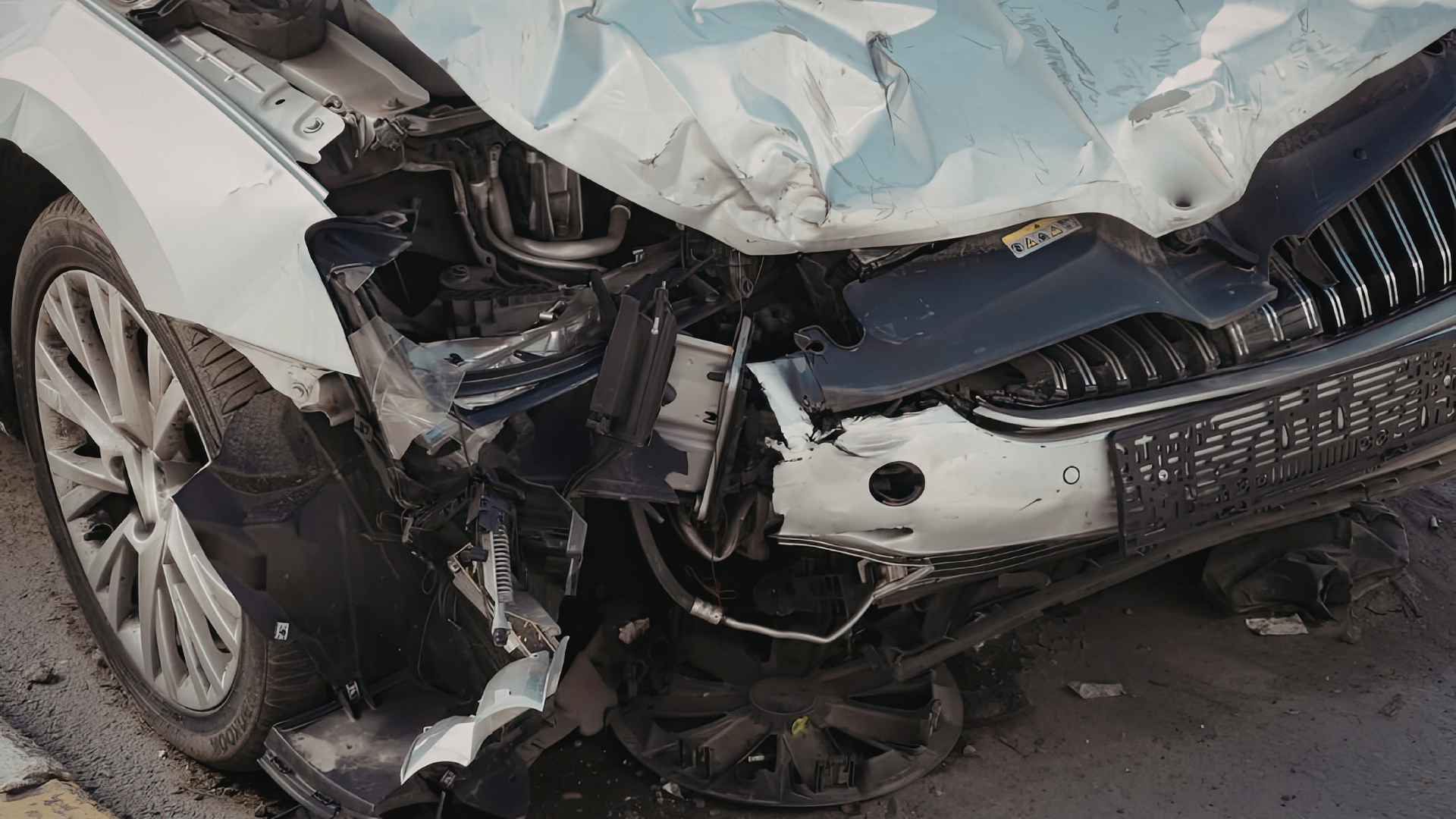
Why Legal Support Matters After a Orangevale Multi-Car Pileup Crash
At Kreeger Law, we understand how complex a Orangevale multi-car pileup crash can be for injured drivers and their families. When multiple vehicles collide, determining fault often becomes far more complicated than in a typical two-vehicle accident. Victims may face overlapping insurance claims, disputed liability, and uncertainty about how compensation will be calculated. Experienced legal guidance can help injured individuals understand their rights and pursue financial recovery.
At Kreeger Law, we take a proactive and client-focused approach when helping victims navigate the aftermath of a multi-vehicle crash. We carefully investigate each stage of the collision by reviewing police reports, analyzing vehicle damage patterns, examining roadway conditions, and speaking with witnesses who may have seen how the chain of events unfolded. When necessary, we work with accident reconstruction experts who can evaluate braking distances, vehicle speeds, and driver reaction times to clarify responsibility. By building a thorough and well-documented case, we help our clients pursue accountability and position their claims for the strongest possible financial recovery.
Common Causes of a Orangevale Multi-Car Pileup Crash
Determining what caused an Orangevale multi-car pileup crash often requires a careful review of driver behavior, roadway conditions, traffic flow, and environmental factors. While one driver may initiate the first collision, additional drivers can contribute to the chain reaction when they fail to react quickly or maintain safe distances. Investigators typically examine police reports, vehicle damage patterns, and witness statements to understand how the sequence of impacts developed. Understanding these contributing factors helps establish liability and may also highlight preventable driving behaviors that lead to multi-vehicle collisions.
In addition, chain-reaction crashes frequently occur in situations where several risk factors combine at the same time. Heavy traffic, sudden braking, distracted driving, or reduced visibility can quickly transform a minor mistake into a major collision involving multiple vehicles. When drivers fail to adjust their speed or attention to changing conditions, the likelihood of a pileup increases significantly. Identifying these causes plays an important role in both accident investigations and injury claims.
Following Too Closely
Following too closely remains one of the most common causes of chain-reaction crashes. Drivers who travel at short distances behind other vehicles reduce the time available to respond to sudden braking or traffic slowdowns. When traffic conditions change quickly, these drivers may not have enough distance to stop safely. The resulting rear-end collision can then push vehicles forward into others, triggering additional impacts throughout the line of traffic.
Maintaining a safe following distance becomes especially important in congested traffic or during high-speed travel. Drivers who fail to create adequate space between vehicles often underestimate the time needed to brake safely. Even a moment of delayed reaction can cause a vehicle to collide with the car ahead. Once the first impact occurs, additional drivers may struggle to avoid joining the pileup.
Reduced Stopping Distance
Vehicles traveling at higher speeds require significantly greater stopping distances than many drivers realize. When drivers fail to maintain adequate spacing between vehicles, they limit their ability to respond to sudden hazards on the road. A vehicle traveling at highway speeds may require several car lengths to stop safely after braking begins. Insufficient distance between vehicles increases the likelihood of a rear-end collision.
Road conditions can also influence stopping distance. Wet pavement, loose gravel, or debris on the roadway may reduce tire traction and lengthen braking time. Drivers who do not adjust their following distance to account for these conditions place themselves and others at risk. Maintaining proper spacing helps prevent sudden braking from escalating into a chain-reaction crash.
Sudden Traffic Changes
Traffic congestion, merging vehicles, or construction zones can create abrupt changes in speed that catch drivers off guard. When traffic slows quickly, drivers who follow too closely may not have enough time to react safely. This situation often leads to the first impact that triggers a multi-vehicle pileup. Even cautious drivers may become involved when surrounding vehicles collide unexpectedly.
In busy roadway environments, maintaining awareness of traffic patterns becomes essential for avoiding collisions. Drivers should monitor vehicles ahead and anticipate potential slowdowns whenever possible. Increasing following distance allows additional time to brake or change lanes if necessary. Defensive driving strategies help reduce the risk of sudden traffic changes leading to chain-reaction crashes.
Distracted Driving
Distracted driving frequently contributes to multi-vehicle pileups by preventing drivers from recognizing changing traffic conditions in time. When drivers divide their attention between the roadway and another activity, their reaction time often decreases. Even a brief distraction may prevent a driver from noticing brake lights or slowing traffic ahead. These moments of inattention often trigger the initial collision in a chain-reaction crash.
In addition, distracted drivers may drift within their lane or fail to maintain consistent speeds. These behaviors increase the likelihood of sudden braking or unexpected movements that affect surrounding vehicles. When several drivers are distracted at the same time, the chances of a multi-vehicle collision increase. Reducing distractions behind the wheel remains one of the most effective ways to prevent pileup crashes.
Mobile Device Use
Texting or checking messages while driving significantly reduces a driver’s ability to monitor traffic conditions. Mobile devices draw visual, manual, and cognitive attention away from the road. Even a few seconds spent looking at a phone can prevent a driver from noticing stopped traffic ahead. These distractions often result in rear-end collisions that trigger chain reactions involving multiple vehicles.
In addition to texting, drivers may become distracted by phone calls, social media notifications, or navigation applications. Each of these activities requires attention that should remain focused on driving. When drivers look away from the roadway, they lose valuable reaction time needed to respond to hazards. Limiting mobile device use while driving helps reduce the risk of serious multi-vehicle crashes.
In-Vehicle Distractions
Distractions inside the vehicle can also contribute to multi-car pileups. Adjusting music controls, climate settings, or navigation systems may briefly divert a driver’s attention from surrounding traffic. These actions may seem minor, yet they can significantly affect reaction time when traffic conditions change suddenly. Even a short glance away from the roadway can create dangerous situations.

Injuries Commonly Caused by a Orangevale Multi-Car Pileup Crash
An Orangevale multi-car pileup crash often results in serious and sometimes life-altering injuries due to the force and sequence of multiple impacts. When several vehicles collide in rapid succession, occupants may experience repeated jolts that place significant stress on the body. Unlike single-collision crashes, pileups frequently involve impacts from multiple directions, which increases the likelihood of complex injuries. Victims may require emergency medical treatment, diagnostic imaging, surgery, and extended rehabilitation following these events.
In addition, injuries from multi-vehicle crashes may not appear immediately after the collision. Some individuals feel relatively stable in the moments following the crash but later develop symptoms related to head trauma, spinal damage, or internal injuries. Medical professionals often recommend prompt evaluation after a multi-car collision to identify hidden injuries and begin appropriate treatment. Early diagnosis not only supports recovery but also provides important medical documentation for injury claims.
Traumatic Brain Injuries
Head injuries represent one of the most common outcomes of a multi-vehicle crash. Sudden acceleration and deceleration during impact can cause the brain to move within the skull, leading to traumatic brain injuries. Even when seat belts and airbags function properly, the force of the collision may still cause significant head trauma. These injuries can affect cognitive abilities, coordination, memory, and emotional regulation.
Traumatic brain injuries vary widely in severity and symptoms. Some victims may experience mild concussions, while others may suffer more severe neurological damage requiring ongoing treatment. Doctors often rely on imaging studies and neurological evaluations to diagnose these injuries accurately. Proper medical documentation becomes essential for both treatment planning and injury claims.
Concussions
Concussions are among the most frequently reported head injuries following a multi-vehicle crash. They occur when the brain experiences sudden movement inside the skull due to rapid deceleration. Victims may develop symptoms such as headaches, dizziness, confusion, nausea, or sensitivity to light and sound. These symptoms sometimes appear hours or days after the collision.
Although concussions are often classified as mild brain injuries, they should never be ignored. Without proper medical evaluation and rest, symptoms may worsen or persist for extended periods. Repeated concussions can also increase the risk of long-term neurological complications. Medical monitoring helps ensure that victims recover safely and receive appropriate treatment.
Long-Term Neurological Effects
Severe traumatic brain injuries can lead to long-term or permanent neurological impairments. Victims may struggle with memory loss, difficulty concentrating, speech problems, or emotional changes following the injury. These symptoms can affect daily life, relationships, and employment opportunities. Rehabilitation programs often include neurological therapy, occupational therapy, and cognitive rehabilitation.
In some cases, brain injuries require lifelong medical care and support services. Individuals may need ongoing treatment from neurologists, therapists, and rehabilitation specialists. These long-term effects can significantly affect a person’s quality of life and financial stability. Comprehensive medical evaluation helps determine the full scope of these injuries.
Spinal Cord and Orthopedic Injuries
Multi-car pileups frequently produce spinal and orthopedic injuries due to the extreme forces involved in repeated impacts. When a vehicle is struck multiple times, occupants may experience rapid forward and backward movement that places stress on the neck, back, and skeletal system. This sudden motion can damage vertebrae, discs, and surrounding muscles. Victims often require extensive treatment and rehabilitation to recover from these injuries.
Spinal and orthopedic injuries can also limit mobility and interfere with everyday activities. Even moderate injuries may require weeks or months of physical therapy before normal movement returns. In more severe cases, surgery may be necessary to stabilize damaged bones or spinal structures. Early diagnosis and treatment play an important role in preventing further complications.
Spinal Trauma
Spinal injuries can occur when the force of a collision compresses or twists the vertebrae. Damage to the spinal cord may interfere with communication between the brain and the rest of the body. Depending on the location and severity of the injury, victims may experience numbness, weakness, or limited movement. These symptoms often require specialized medical treatment and rehabilitation.
More severe spinal cord injuries can result in partial or complete paralysis. Individuals with these injuries may require long-term medical care, mobility assistance, and adaptive equipment. Recovery may involve physical therapy, occupational therapy, and specialized rehabilitation programs. These treatments help patients regain as much independence as possible.
Bone Fractures
Broken bones frequently occur during high-impact multi-vehicle collisions. The arms, legs, ribs, and pelvis are particularly vulnerable during side impacts or rollover events. Occupants may instinctively brace themselves during a crash, increasing the risk of wrist or forearm fractures. These injuries often require surgical repair and extended rehabilitation.
Orthopedic injuries can significantly affect mobility and daily functioning during recovery. Patients may need casts, braces, or surgical implants such as plates and screws to stabilize fractures. Physical therapy often becomes necessary to restore strength and flexibility after the bone heals. Proper medical documentation of these injuries supports both treatment and compensation claims.

Evidence That Strengthens a Orangevale Multi-Car Pileup Crash Claim
Strong evidence plays a critical role in determining liability after an Orangevale multi-car pileup crash. Because several drivers and vehicles may be involved, insurance companies often dispute fault and attempt to shift responsibility between parties. Establishing a clear timeline of events helps clarify which driver initiated the crash and how additional impacts occurred. Well-organized evidence significantly improves the likelihood of securing fair compensation.
In addition, multi-vehicle crash claims often rely on several forms of evidence working together to explain how the accident unfolded. Police reports, expert analysis, photographs, and witness testimony can each provide important insights into the collision. When these sources of evidence align consistently, they strengthen the credibility of the claim. Careful documentation and presentation help ensure that liability is evaluated fairly.
Police Reports and Official Findings
Police reports often serve as an important starting point in investigating a multi-vehicle crash. Responding officers typically document the crash scene, vehicle positions, and statements from drivers or witnesses. They may also record roadway conditions, traffic signals, and environmental factors present at the time of the collision. These observations help investigators develop an initial understanding of how the accident occurred.
Police reports may also include diagrams illustrating vehicle placement and the sequence of impacts. Officers sometimes issue citations to drivers who violated traffic laws or failed to maintain safe driving behavior. These findings can help support arguments that negligence contributed to the crash. Although police reports are not always conclusive, they provide valuable evidence for accident investigations.
Crash Scene Documentation
Crash scene documentation often includes photographs, measurements, and notes taken by investigators at the location of the collision. These materials capture important details about vehicle damage, debris patterns, skid marks, and roadway conditions. Such evidence can help accident reconstruction experts determine how the sequence of impacts developed. Preserving this information early helps prevent critical evidence from disappearing.
Photographs of the crash scene may also illustrate traffic signals, lane markings, and weather conditions at the time of the accident. These details help explain how environmental factors may have influenced driver behavior. Organized documentation allows investigators to analyze the collision more accurately. This evidence becomes particularly valuable when liability disputes arise.
Traffic Citations
Traffic citations issued to drivers often provide important clues about negligent behavior before the crash occurred. Citations may involve speeding, unsafe lane changes, distracted driving, or following too closely. These violations may demonstrate that a driver failed to operate their vehicle safely under the circumstances. Evidence of traffic violations can strengthen arguments that negligence caused the collision.
Attorneys frequently review citations alongside other evidence such as witness statements and vehicle damage patterns. When these elements support the same conclusion, they help establish a clear liability narrative. Citations can therefore play an important role during settlement negotiations or court proceedings. Proper documentation helps ensure that these violations receive appropriate consideration.
Accident Reconstruction Analysis
Accident reconstruction experts often assist investigators in understanding complex multi-vehicle collisions. These specialists analyze physical evidence, vehicle damage patterns, and roadway conditions to determine how the crash occurred. Their technical expertise helps clarify which vehicle initiated the collision and how additional impacts followed. This analysis can be especially valuable when multiple drivers dispute fault.
Reconstruction experts may also examine vehicle speeds, braking distances, and reaction times before the crash. By evaluating these factors, they can determine whether drivers had the opportunity to avoid the collision. Their findings often help clarify whether negligence contributed to the crash. Expert analysis frequently becomes a key element in complex injury claims.
Vehicle Data Recorders
Many modern vehicles contain event data recorders that capture important information during a crash. These devices may record vehicle speed, throttle position, and braking activity in the seconds before impact. Investigators can analyze this electronic data to determine how drivers responded when traffic conditions changed. This information often provides objective evidence about driver behavior.

How a Sacramento Car Accident Attorney Supports Victims Involved in Pileup Crashes
Victims involved in a Orangevale multi-car pileup crash often face complicated legal and financial challenges after the collision. Multi-vehicle crashes frequently involve several drivers, conflicting insurance claims, and uncertainty about how fault will be determined. A Sacramento car accident attorney can help injured individuals understand their legal rights while guiding them through the recovery process. Through careful investigation and organized advocacy, legal professionals help ensure that victims pursue fair compensation for the full impact of the crash.
Conducting a Thorough Crash Investigation
A detailed investigation often serves as the foundation of a successful pileup accident claim. Attorneys begin by reviewing police reports, crash scene photographs, and witness statements to understand the sequence of events that led to the collision. Multi-vehicle crashes frequently involve several impacts, which makes reconstructing the timeline of the crash especially important. Careful analysis helps determine which driver initiated the collision and how subsequent impacts occurred.
Working With Accident Reconstruction Specialists
Accident reconstruction experts often play a critical role in complex multi-vehicle crash investigations. These specialists analyze vehicle damage, debris patterns, skid marks, and roadway measurements to recreate the sequence of impacts. Their technical findings can help clarify vehicle speeds, braking behavior, and driver reaction times before the crash occurred. This analysis often becomes essential when multiple drivers dispute responsibility.
In addition, reconstruction experts may create diagrams or digital simulations that visually explain how the pileup developed. These visual tools help insurance adjusters, judges, or juries understand complicated crash dynamics more clearly. Expert testimony often strengthens liability arguments during settlement negotiations or court proceedings. By incorporating technical analysis, attorneys help ensure that claims are supported by reliable evidence.
Preserving Physical and Digital Evidence
Preserving evidence quickly remains essential after a pileup crash. Attorneys often act immediately to secure photographs of vehicle damage, roadway markings, and traffic signals at the crash site. This documentation helps establish the positions of vehicles and the conditions present during the collision. Early evidence collection prevents critical details from being lost.
Digital evidence can also provide valuable insight into how a crash occurred. Traffic cameras, dash cameras, and nearby business surveillance systems may capture moments leading up to the collision. Attorneys frequently send preservation requests to prevent this footage from being deleted or overwritten. Securing video evidence early can significantly strengthen a pileup accident claim.
Documenting Injuries and Financial Losses
Victims injured in a multi-vehicle crash often require extensive medical treatment and rehabilitation. Attorneys help clients gather medical records, physician evaluations, and treatment documentation that demonstrate the seriousness of the injuries. These records play a critical role in linking the injuries directly to the collision. Comprehensive documentation strengthens both liability arguments and compensation claims.
In addition to medical documentation, attorneys also evaluate the financial consequences of the crash. Medical expenses, lost wages, and ongoing rehabilitation costs often represent significant damages in pileup accident cases. Attorneys may also work with economic experts to assess reduced earning capacity when injuries prevent victims from returning to work. Accurate damage calculations help ensure that compensation claims reflect the full impact of the accident.
Coordinating Medical Expert Evaluations
Medical experts frequently provide valuable testimony in serious car accident claims. Physicians, neurologists, and orthopedic specialists may explain how injuries occurred and what treatment will be required in the future. Their professional evaluations help establish the long-term effects of traumatic injuries such as spinal damage or traumatic brain injuries. Expert medical opinions strengthen negotiations with insurance companies.
Specialists may also evaluate whether injuries will require ongoing treatment or rehabilitation. Some victims require long-term therapy, surgical procedures, or specialized medical care following severe crashes. Attorneys rely on these expert evaluations to estimate future medical costs accurately. Including these projections ensures that compensation reflects the full scope of recovery needs.
Evaluating Long-Term Care and Recovery Needs
Some injuries sustained in pileup crashes require continued medical supervision and rehabilitation long after the initial recovery period. Victims may require physical therapy, occupational therapy, or assistive devices to regain mobility and independence. Attorneys collaborate with healthcare providers to assess these long-term needs. This evaluation helps ensure that compensation accounts for future treatment expenses.
Long-term care assessments may also include home modifications or specialized equipment necessary for daily activities. Severe injuries can significantly alter a person’s lifestyle and ability to perform routine tasks. By carefully documenting these requirements, attorneys help ensure that settlement negotiations reflect the true cost of recovery. Planning for long-term care remains an essential part of building a comprehensive claim.
Managing Complex Insurance Negotiations
Insurance negotiations often become especially complicated after multi-vehicle crashes. Several insurance carriers may become involved, and each insurer may attempt to limit its financial responsibility. Attorneys help manage communication with these companies to protect their clients’ rights and financial interests. Organized legal advocacy helps prevent insurers from shifting blame unfairly between drivers.
Legal teams carefully review insurance policies to identify all available sources of compensation. This review may include liability coverage, uninsured motorist benefits, and underinsured motorist policies. Attorneys present detailed evidence supporting their client’s claim during negotiations with insurance companies. Strong documentation often improves the likelihood of securing a fair settlement.
Challenging Comparative Fault Allegations
Insurance companies sometimes attempt to assign partial blame to injured drivers in order to reduce compensation. Under California’s comparative fault system, any percentage of fault assigned to the victim can reduce the total recovery. Attorneys work to challenge unsupported allegations by presenting strong evidence and expert analysis. Careful documentation helps minimize unfair fault assignments.
Investigators may analyze braking patterns, following distances, and traffic conditions to determine whether the injured driver acted reasonably. Accident reconstruction evidence often plays an important role in this analysis. By presenting clear and organized evidence, attorneys help ensure that fault allocations remain fair and accurate. This strategy strengthens the overall claim.
Preparing for Litigation When Necessary
Although many pileup crash claims resolve through negotiation, some cases require formal litigation to achieve fair compensation. When insurance companies refuse reasonable settlement offers, attorneys may file lawsuits on behalf of injured victims. Litigation allows courts to review evidence and determine liability and damages. Preparing for trial often strengthens the victim’s negotiating position.
During litigation, attorneys gather additional evidence, conduct depositions, and present expert testimony supporting the claim. These steps help explain how the crash occurred and how the injuries have affected the victim’s life. Thorough preparation ensures that the case remains ready for court if negotiations fail. This readiness often encourages insurance companies to reconsider inadequate settlement offers.
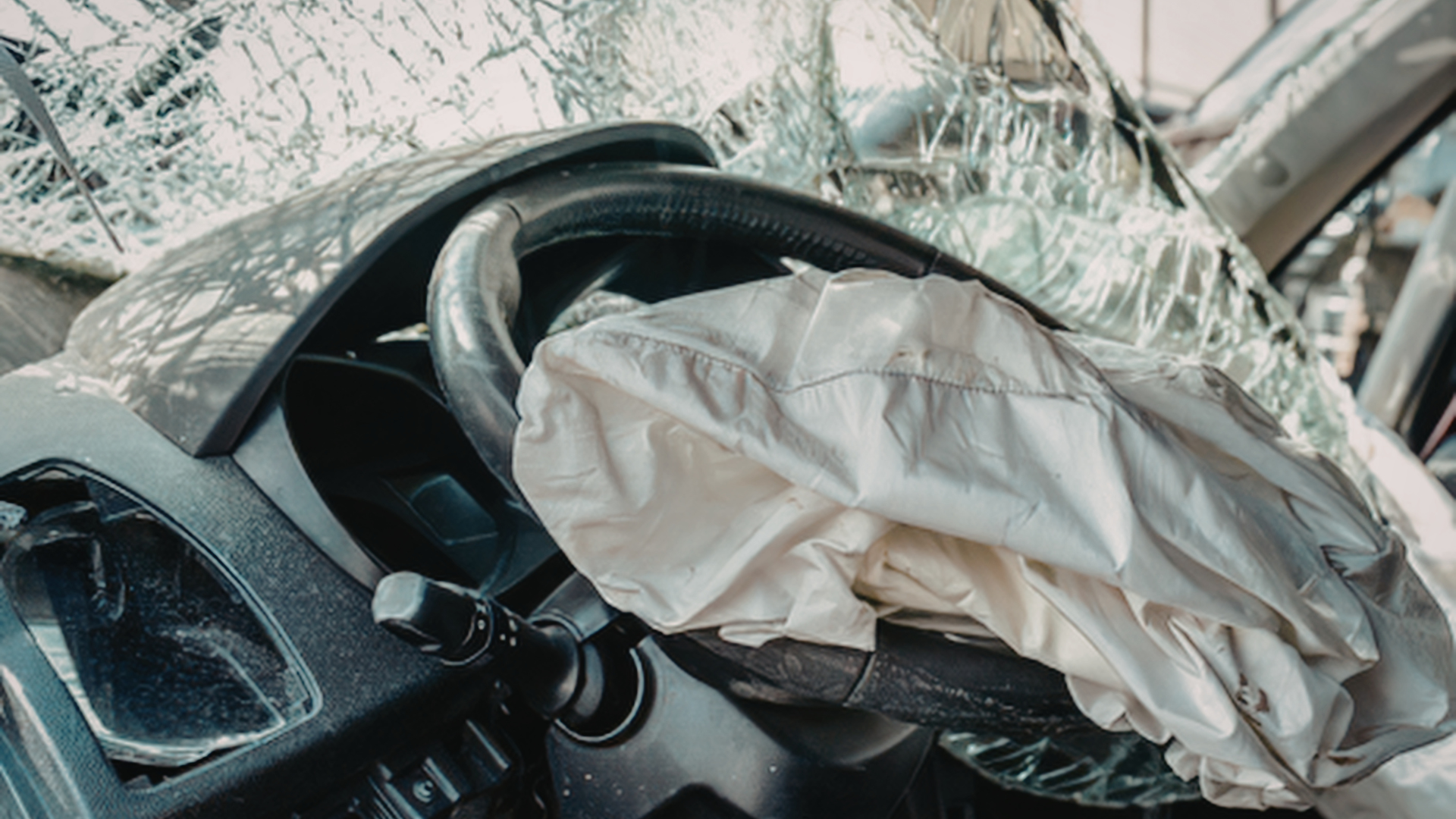
Contact an Experienced Orangevale Car Crash Lawyer Today
Recovering from a serious multi-vehicle collision can create overwhelming challenges for injured victims and their families. Medical treatment, vehicle damage, and insurance negotiations often place significant stress on those involved. At Kreeger Law, our team understands how complex a Orangevale multi-car pileup crash can become when multiple drivers and insurance companies are involved.
We take a proactive approach to investigating multi-vehicle collisions by reviewing police reports, analyzing crash evidence, and working with accident reconstruction experts when necessary. Our legal team carefully documents injuries, financial losses, and long-term recovery needs to build a strong claim for our clients. If you or a loved one has been injured in a serious crash, call (916) 782-8400 today or reach out online to schedule a free consultation and learn how Kreeger Law can help you move forward.