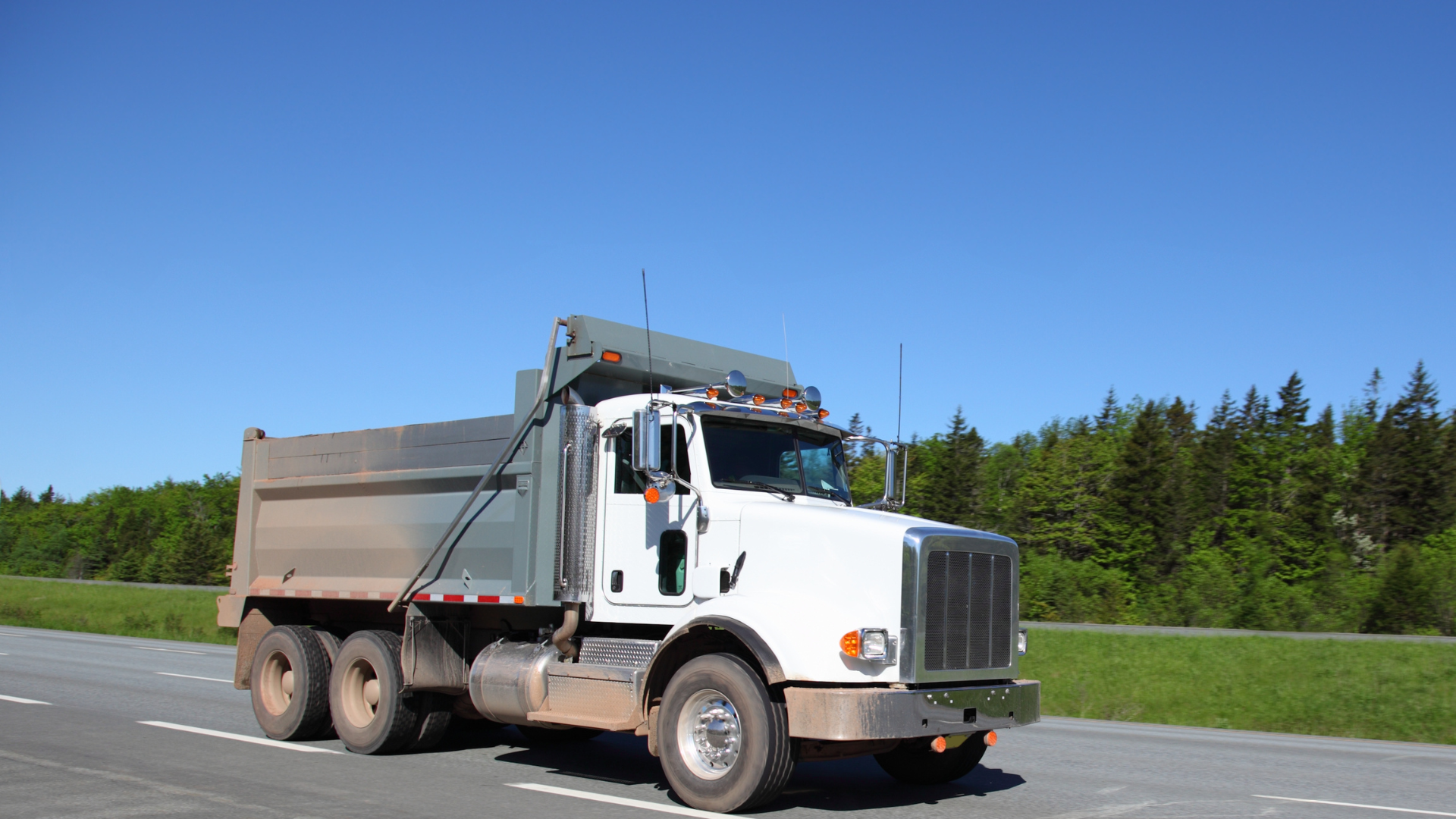
Driver Seriously Hurt After Natomas Dump Truck Crash on I-5
A driver was seriously injured after his vehicle struck the back of a dump truck on southbound Interstate 5 near the Arena Boulevard exit in the Natomas area of Sacramento, according to KCRA 3. Officers responded to the crash around 6 p.m., and the injured man was taken to a hospital with major injuries as emergency crews worked the scene and managed the impact on traffic. Drugs and alcohol were not believed to be factors in the wreck, and investigators continue to examine the circumstances surrounding the collision. The incident caused slowdowns along the busy freeway during the evening commute as first responders secured the area and directed traffic.
This Natomas dump truck crash highlights the serious dangers drivers face on busy interstate corridors like Interstate 5, where large commercial vehicles and heavy traffic volumes leave little margin for error. Collisions involving dump trucks often result in severe injuries due to the size and weight disparity, especially when passenger vehicles strike the rear of a commercial truck. These incidents raise important questions about traffic flow, visibility, vehicle positioning, and whether roadway or driver-related factors contributed to the crash. At Kreeger Law, we understand how overwhelming serious truck accidents can be for injured individuals and their families as they seek clarity about what happened. Our team is committed to helping victims understand their rights, navigate the aftermath of a serious crash, and pursue accountability when negligence may have played a role. Call us today at (916) 782-8400 to explore your options.
Why Legal Representation Matters After a Natomas Dump Truck Crash
After a Natomas dump truck crash, our team of legal advocates at Kreeger Law understand how quickly injured individuals can become overwhelmed by medical concerns, insurance communications, and uncertainty about what comes next. Accidents involving large commercial vehicles often include complex liability questions, multiple insurance policies, and companies working to protect their own interests. We focus on helping our clients understand how these factors affect their case while working to clarify responsibility and protect their rights. By providing informed legal guidance, we help ensure our clients are treated fairly throughout the process.
We also recognize that the consequences of a Natomas dump truck crash often extend well beyond the immediate aftermath of the collision. Ongoing medical treatment, time away from work, and concerns about long-term recovery can place significant strain on individuals and families. At Kreeger Law, we take a comprehensive approach by evaluating both the immediate and future impact of these challenges. Through careful case review and consistent advocacy, we work to support our clients as they navigate the legal process with greater confidence and clarity.
Determining Fault After a Natomas Dump Truck Crash
Determining fault after a Natomas dump truck crash is often a complex process that requires careful evaluation of multiple factors. Unlike standard car accidents, these crashes may involve commercial drivers, employers, and third-party contractors, each with different responsibilities. The sequence of events leading up to the collision must be reconstructed to understand how decisions, actions, or failures contributed to the outcome. Accurate fault determination is essential for ensuring accountability and protecting the rights of injured individuals.
Reviewing the Events Leading Up to the Crash
Fault analysis begins by examining what occurred before, during, and immediately after the collision. Investigators assess traffic conditions, vehicle movements, and driver behavior to understand how the crash unfolded. Even minor actions, such as delayed braking or improper lane positioning, can play a role. Establishing a clear timeline helps identify how responsibility may be shared.
Identifying the Initial Cause of the Collision
The first event that triggered the crash often carries significant weight in fault determination. Investigators analyze vehicle damage patterns, roadway markings, and final resting positions to pinpoint the initial impact. This information helps clarify whether the dump truck driver or another motorist initiated the chain of events. Identifying the starting point provides a foundation for further analysis.
Evaluating Driver Conduct and Decision-Making
Driver behavior is closely examined when determining fault after a Natomas dump truck crash. Factors such as speed, distraction, fatigue, or failure to follow traffic laws may contribute to liability. Commercial drivers are held to strict safety standards due to the size and weight of their vehicles. Even brief lapses in attention can have serious consequences.
Assessing Compliance With Traffic Laws and Safety Rules
Investigators review whether the dump truck driver followed posted speed limits, signaling requirements, and right-of-way rules. Violations may indicate negligence that contributed to the crash. Compliance with safety regulations is especially important for commercial vehicles. These findings help shape fault determinations.
Considering the Role of Other Drivers
In some cases, fault may be shared among multiple drivers involved in the crash. Sudden stops, unsafe lane changes, or following too closely can contribute to collisions involving dump trucks. Evaluating the actions of all drivers ensures fault is not unfairly assigned. Shared responsibility is common in complex roadway incidents.
Applying California Comparative Fault Principles
California follows a comparative fault system that allows responsibility to be divided among parties. Each party’s percentage of fault affects potential recovery. Understanding how shared fault applies helps clarify outcomes. Accurate allocation supports fair resolution.

How Liability Is Established in a Natomas Dump Truck Crash
Establishing liability in a Natomas dump truck crash involves identifying who owed a duty of care and how that duty was breached. Liability may extend beyond the driver to employers, contractors, or other entities responsible for vehicle operation and maintenance. Each contributing factor must be supported by evidence. This process ensures liability findings are grounded in facts rather than assumptions.
Examining the Dump Truck Driver’s Responsibilities
Liability analysis often begins with reviewing the dump truck driver’s actions. Investigators assess whether the driver was operating the vehicle safely and attentively. Commercial drivers must adhere to heightened safety standards due to increased risk. Failure to meet these standards may establish liability.
Reviewing Driver Training and Experience
Driver qualifications and training records are often reviewed to determine whether the driver was properly prepared. Lack of training or prior safety violations may indicate negligence. These records provide insight into whether the driver met professional expectations. Training deficiencies can strengthen liability claims.
Evaluating Employer and Company Liability
Dump truck drivers are often employed by construction or hauling companies that may share responsibility. Employers are expected to hire qualified drivers, provide training, and enforce safety policies. Failure in these areas can contribute to accidents. Company practices are carefully reviewed.
Negligent Hiring, Supervision, or Scheduling
Employers may be liable if they hired unqualified drivers or failed to address safety violations. Scheduling practices that encourage fatigue may also contribute to crashes. These factors help establish whether company negligence played a role. Employer liability is a critical consideration.
Assessing Vehicle Maintenance and Mechanical Issues
Mechanical failures can significantly contribute to dump truck accidents. Brake problems, tire issues, or steering defects may indicate inadequate maintenance. Maintenance records help determine whether required inspections were completed. Poor upkeep may establish liability.
Reviewing Inspection and Repair Documentation
Commercial vehicles are subject to routine inspections and maintenance requirements. Missing or incomplete records may indicate negligence. These documents help establish whether unsafe conditions existed. Maintenance evidence often plays a key role.
Identifying Third-Party Contributions
Liability may also extend to third parties such as maintenance contractors or equipment manufacturers. Improper repairs or defective components can contribute to crashes. Identifying all responsible parties ensures accountability is not limited. Comprehensive review supports fair outcomes.
Defective Parts or Improper Repairs
Faulty brakes, tires, or other components may point to manufacturing or repair defects. Evidence of improper installation or design flaws strengthens third-party liability claims. These issues require detailed investigation. Third-party responsibility is sometimes overlooked.
Legal Challenges Following a Natomas Dump Truck Crash
Legal challenges often arise after a Natomas dump truck crash due to the inherent complexity of commercial vehicle accident cases. These claims frequently involve high financial stakes, multiple potentially responsible parties, and overlapping state and local regulations that must be carefully analyzed. Injured individuals may encounter prolonged delays, disputed liability, and aggressive defense strategies from trucking companies and insurers seeking to limit exposure. Understanding these challenges helps explain why resolving a dump truck accident claim often requires extensive investigation, documentation, and patience.
Disputes Over Liability and Fault Allocation
Disagreements over how a Natomas dump truck crash occurred are common, particularly when several parties are involved. Dump truck drivers, employers, and insurance carriers may each present different versions of events in an effort to shift responsibility away from themselves. These conflicting narratives can slow the claims process and make fault allocation more difficult. Resolving liability disputes requires a careful review of evidence to determine how each party’s actions contributed to the collision.
Addressing Conflicting Statements and Evidence
Witness statements, driver accounts, and physical evidence do not always align following a serious dump truck crash. Stress, limited visibility, and the chaos of the scene can affect how events are perceived and reported. Careful analysis helps identify inconsistencies and determine which accounts are supported by objective evidence. Strong supporting documentation enhances credibility and plays a key role in resolving disputed claims.
Navigating Insurance Company Resistance
Insurance companies representing dump truck operators often defend claims aggressively due to the higher coverage limits associated with commercial vehicles. Adjusters may closely scrutinize accident details, challenge liability, or question the severity of injuries to reduce potential payouts. These tactics can significantly slow negotiations and create additional stress for injured individuals. Persistence and thorough documentation are often necessary to move claims forward.
Delays and Low Settlement Offers
Insurers may delay responding to claims or present early settlement offers that do not reflect the full extent of damages. These strategies are often used to pressure injured individuals into accepting less compensation before long-term impacts are fully understood. Recognizing these tactics helps manage expectations during the claims process. Detailed medical and financial documentation supports more accurate claim evaluation.
Managing Regulatory and Compliance Issues
Natomas dump truck crash cases may involve compliance with state, local, and industry-specific safety regulations. These rules govern vehicle operation, maintenance, and driver conduct, and violations may directly affect liability determinations. Reviewing regulatory compliance adds another layer of complexity to the legal process. Understanding how these regulations apply is essential to evaluating responsibility accurately.
How Regulatory Violations Affect Claims
Regulatory violations may strengthen arguments that negligence contributed to the crash or influence how insurance coverage applies. Disputes may arise over whether a specific violation played a direct role in causing the accident. Regulatory evidence must be carefully reviewed and interpreted within the broader context of the case. These issues often require detailed analysis and, in some cases, expert input.
Coordinating Multiple Parties and Claims
A single Natomas dump truck crash may involve multiple defendants, insurance carriers, and legal representatives. Coordinating communication and claims among these parties can be challenging and time-consuming. Inconsistent positions or overlapping defenses may complicate resolution and prolong the process. Effective organization is critical to managing these complexities.
Preventing Overlapping or Conflicting Claims
Clear documentation and consistent communication help reduce the risk of overlapping or conflicting claims. A coordinated strategy ensures that information remains aligned across all parties involved. Managing complexity helps protect the integrity of the overall claim. Organization and consistency support progress toward resolution.
Steps to Take After a Natomas Dump Truck Crash
The aftermath of a Natomas dump truck crash can be overwhelming, especially when serious injuries, traffic disruptions, and unanswered questions arise all at once. Because dump trucks are large commercial vehicles, these accidents often involve more complex investigations and insurance considerations than typical crashes. Taking the right steps early helps protect physical health while also preserving important legal and financial interests. A thoughtful, organized response can make a meaningful difference as recovery begins.
Prioritize Safety and Seek Immediate Medical Attention
Safety should always be the first concern after a Natomas dump truck crash. If possible, moving to a safe location away from traffic helps reduce the risk of further harm. Medical evaluation is critical even if injuries appear minor, as symptoms may be delayed due to shock or adrenaline. Prompt treatment helps identify hidden injuries and creates important medical documentation.
Monitor for Delayed or Worsening Symptoms
Injuries such as concussions, internal trauma, or soft tissue damage may not become apparent immediately. Pain, dizziness, or limited mobility can develop hours or days later. Ongoing monitoring is especially important for children and older adults. Continued medical care supports recovery and helps document the full impact of the crash.
Contact Law Enforcement and Ensure Proper Documentation
Law enforcement should be contacted after any crash involving a dump truck. Officers document the scene, manage traffic, and collect statements from drivers and witnesses. An official report provides an objective account that plays a significant role in insurance and legal evaluations. Accurate documentation helps establish a reliable foundation for future claims.
Provide Clear and Factual Information
When speaking with officers, it is important to provide accurate information without speculating about fault. Statements should focus on observable facts rather than opinions or assumptions. Consistent and factual communication supports accurate reporting. Police documentation often carries substantial weight later in the process.
Document the Scene and Preserve Evidence
Collecting evidence as soon as it is safe helps preserve details that may otherwise be lost. Photographs of vehicle damage, road conditions, traffic signs, and surrounding areas provide valuable context. Witness contact information can also be critical. Strong documentation helps protect individuals after a Natomas dump truck crash.
Keep Records Organized From the Beginning
Medical records, repair estimates, towing receipts, and insurance correspondence should be kept in an organized manner. Maintaining clear records helps track expenses and treatment progress. Organized documentation reduces confusion as claims move forward. Preparation supports smoother resolution.
Be Cautious When Communicating With Insurance Companies
Insurance companies may contact drivers quickly after a Natomas dump truck crash. While cooperation is necessary, caution is important when providing statements or details. Early conversations can influence how claims are evaluated. Thoughtful communication helps avoid misunderstandings.
Avoid Recorded Statements Without Preparation
Recorded statements may later be reviewed for inconsistencies or used to minimize claims. Even honest responses can be taken out of context. Limiting detailed discussions early helps protect interests. Careful communication reduces unnecessary risk.
Protecting Your Rights After a Natomas Dump Truck Crash
Protecting your rights after a Natomas dump truck crash is essential, as these cases often involve powerful commercial entities and complex liability questions. When large trucks are involved, insurance carriers and companies often act quickly to protect their own interests. Without careful attention, injured individuals may face unfair blame or undervalued claims. Understanding how to safeguard legal rights helps ensure accountability is properly addressed.
Understanding How California Law Applies
California law provides specific protections for individuals injured in commercial vehicle accidents. These laws govern how fault is determined, how damages are evaluated, and how claims must be filed. Understanding these rules helps prevent mistakes that could weaken a claim. Awareness of legal rights is a key part of protection.
Knowing How Comparative Fault Works
California follows a comparative fault system that allows responsibility to be shared among parties. Compensation may be reduced based on an individual’s percentage of fault. Understanding how fault allocation works helps individuals respond to liability arguments. Knowledge supports informed decision-making.
Avoiding Actions That Could Harm a Claim
Certain actions taken after a Natomas dump truck crash can unintentionally weaken a claim. Statements to insurers, social media posts, or gaps in medical treatment may be used to question credibility. Being mindful of these risks helps preserve claim strength. Caution early on protects long-term interests.
Limiting Social Media and Public Statements
Insurance companies may monitor social media activity for information that can be misinterpreted. Posts showing physical activity or comments about the crash may be taken out of context. Limiting online activity reduces this risk. Privacy helps safeguard legal rights.
Preserving Evidence That Supports Your Position
Evidence plays a central role in protecting rights after a Natomas dump truck crash. Timely preservation of documentation helps establish what happened and how injuries occurred. Medical records, photographs, and witness information all contribute to a strong claim. Well-preserved evidence helps counter disputes.
Maintaining Detailed Injury and Expense Records
Tracking medical visits, treatment progress, and related expenses provides a clear picture of losses. These records help demonstrate both immediate and ongoing impacts. Detailed documentation supports accurate damage evaluation. Organization strengthens a claim’s foundation.
Managing Insurance Interactions Carefully
Insurance companies often seek information early to shape claim outcomes. Managing these interactions carefully helps prevent statements from being used unfairly. Clear and consistent communication protects credibility. Thoughtful engagement supports rights protection.
Understanding When to Delay Detailed Discussions
Providing detailed information before injuries are fully understood can limit future recovery options. Waiting until medical treatment and damages are clearer helps ensure accuracy. Timing matters when protecting legal rights. Careful pacing supports fair evaluation.
Recognizing the Importance of Legal Support
Legal support plays an important role in protecting rights after a Natomas dump truck crash. Attorneys help interpret laws, review evidence, and challenge unfair practices. This guidance provides structure during a complex process. Informed support helps ensure rights are respected at every stage.
Preventing Unfair Fault Assignments or Claim Denials
Legal review helps identify when fault is being unfairly assigned or claims are improperly denied. Addressing inconsistencies early helps protect credibility. Oversight helps maintain balance in the claims process. Protecting rights often requires informed advocacy.

What a Sacramento Truck Accident Lawyer Does to Support Clients
After a serious truck accident, injured individuals often face complex medical issues, financial uncertainty, and confusion about how to protect their rights. A Sacramento truck accident lawyer plays an important role in guiding clients through each stage of the legal process while helping them understand what to expect. From the earliest investigation through resolution, attorneys provide structure, strategy, and advocacy during a time when clients may feel overwhelmed. This support allows injured individuals to focus on physical recovery and personal stability while knowing their case is being handled carefully and thoroughly.
Investigating the Truck Accident Thoroughly
A strong truck accident case begins with a detailed investigation into how the collision occurred and what factors contributed to it. Sacramento truck accident lawyers work promptly to gather and preserve evidence before it is lost, altered, or overlooked. This investigation may involve reviewing official reports, examining physical evidence, and identifying potential safety violations. Early and thorough investigation helps establish liability clearly and strengthens the overall foundation of a client’s claim.
Reviewing Crash Reports and Scene Evidence
Attorneys carefully review police reports, photographs, and physical evidence collected from the accident scene to understand how the collision unfolded. These materials help identify vehicle positions, roadway conditions, traffic patterns, and potential contributing factors. By analyzing this information in detail, attorneys can uncover inconsistencies or missing details that may affect liability. Strong evidence review supports accurate fault determination and helps reduce disputes later in the process.
Identifying All Potentially Liable Parties
Truck accidents often involve more than one responsible party, which makes identifying liability more complex than in standard car crashes. Sacramento truck accident lawyers evaluate the actions and responsibilities of drivers, trucking companies, vehicle owners, maintenance providers, and other involved parties. Identifying all sources of liability helps ensure accountability is not unfairly limited to a single party. This comprehensive approach supports more accurate case evaluation and fair outcomes.
Assessing Employer and Third-Party Responsibility
Attorneys review employment relationships, contracts, and safety practices to determine whether employers or third parties contributed to the accident. Negligent hiring, inadequate training, poor supervision, or improper maintenance may all play a role. By examining these factors, attorneys can identify whether responsibility extends beyond the driver alone. Thorough evaluation helps prevent important sources of liability from being overlooked.
Managing Insurance Company Communications
Insurance carriers often move quickly after truck accidents to protect their financial interests and shape claim narratives. Sacramento truck accident lawyers manage all communications with insurance companies on behalf of their clients to reduce stress and prevent misstatements. This involvement helps ensure that information is presented accurately and consistently. Controlled communication supports the integrity of the claim and protects clients from unnecessary pressure.
Countering Insurance Tactics and Delays
Insurers may attempt to delay responses, dispute fault, or minimize injury severity to reduce claim value. Attorneys recognize these tactics and respond with documentation, evidence, and clear legal arguments. Persistent follow-up helps keep claims progressing despite resistance. This advocacy plays a critical role in protecting clients from unfair treatment during negotiations.
Documenting Injuries and Financial Losses
Accurately documenting injuries and financial losses is essential to supporting a truck accident claim. Sacramento truck accident lawyers gather medical records, billing statements, employment documentation, and other records that show how the accident has affected a client’s life. This documentation helps demonstrate both immediate and ongoing impacts. Comprehensive records prevent claims from being undervalued or misunderstood.
Accounting for Long-Term and Future Needs
Some truck accident injuries require long-term treatment or result in permanent limitations. Attorneys consider future medical care, rehabilitation needs, lost earning capacity, and lifestyle changes when evaluating damages. This forward-looking approach ensures that claims reflect the full scope of harm, not just immediate expenses. Long-term consequences deserve careful and thoughtful consideration.
Navigating Legal Procedures and Deadlines
Truck accident claims involve strict deadlines and detailed procedural requirements that must be followed precisely. Sacramento truck accident lawyers track all filings, notices, and deadlines to ensure compliance with legal obligations. Attention to these details helps preserve a client’s ability to pursue compensation. Proper timing and organization support the overall viability of the claim.
Applying California Trucking and Injury Laws
Attorneys understand how California personal injury laws and trucking regulations apply to each case. This knowledge helps ensure claims are structured correctly and arguments are supported by applicable law. Legal accuracy strengthens both negotiation and litigation strategy. Familiarity with regulations adds credibility to the case.
Advocating for Clients Through Resolution
Attorneys advocate for clients throughout settlement negotiations and, when necessary, litigation. Sacramento truck accident lawyers prepare each case with care, anticipating challenges and addressing potential weaknesses. Thorough preparation strengthens leverage during negotiations and demonstrates commitment to fair resolution. Strong advocacy supports outcomes that reflect the true impact of the accident.
Preparing Cases for Settlement or Trial
Whether a case resolves through negotiation or proceeds to trial, preparation is essential. Attorneys organize evidence, develop legal arguments, and prepare documentation to support their clients’ positions. Readiness signals seriousness and professionalism to opposing parties. Careful preparation helps protect clients’ interests at every stage of the process.
Contact an Experienced Natomas Dump Truck Crash Lawyer Today
At Kreeger Law, we bring experience, diligence, and a client-focused approach to representing individuals injured in dump truck crashes throughout the Natomas area. We understand that accidents involving commercial trucks often involve serious injuries, complex investigations, and powerful insurance carriers working to minimize responsibility. Our team takes the time to carefully review accident details, examine available evidence, and understand how the crash has affected our clients’ lives. By approaching each case with attention and care, we work to provide steady guidance during an uncertain and stressful time.
We also believe that effective representation requires clear communication, responsiveness, and a thorough understanding of our clients’ needs, concerns, and long-term goals. At Kreeger Law, we prioritize transparency by keeping our clients informed as their cases progress and taking the time to explain each stage of the legal process in clear, practical terms. We understand that uncertainty can add stress during an already difficult period, so we work to provide clarity, realistic expectations, and consistent updates throughout the case. By managing the legal complexities, insurance communications, and procedural requirements, we strive to reduce the burden on our clients so they can focus on recovery, healing, and regaining stability. If you or a loved one has been injured in a Natomas dump truck crash, contact Kreeger Law today at (916) 782-8400 or reach out online to learn how we can help protect your rights and pursue accountability.